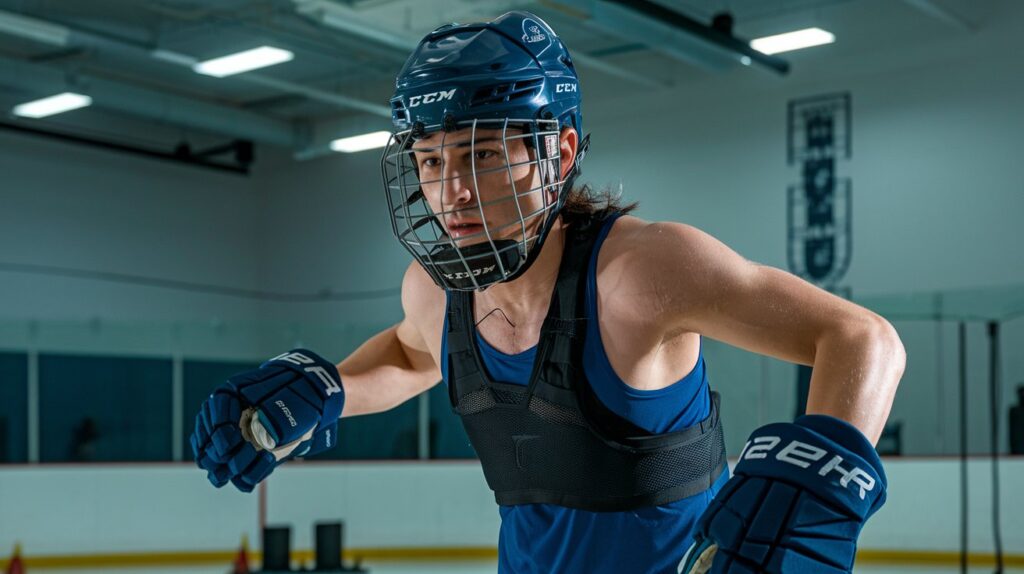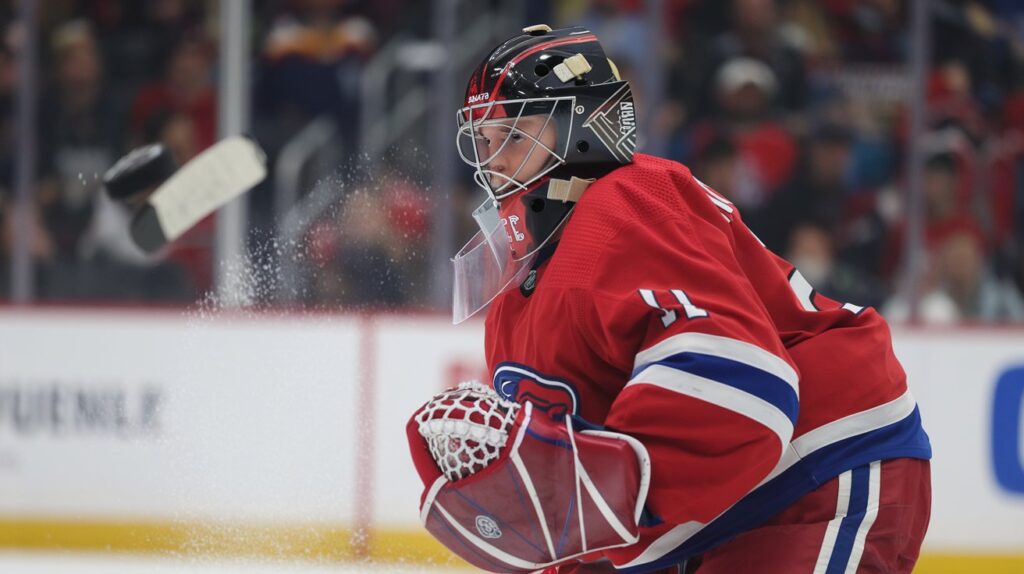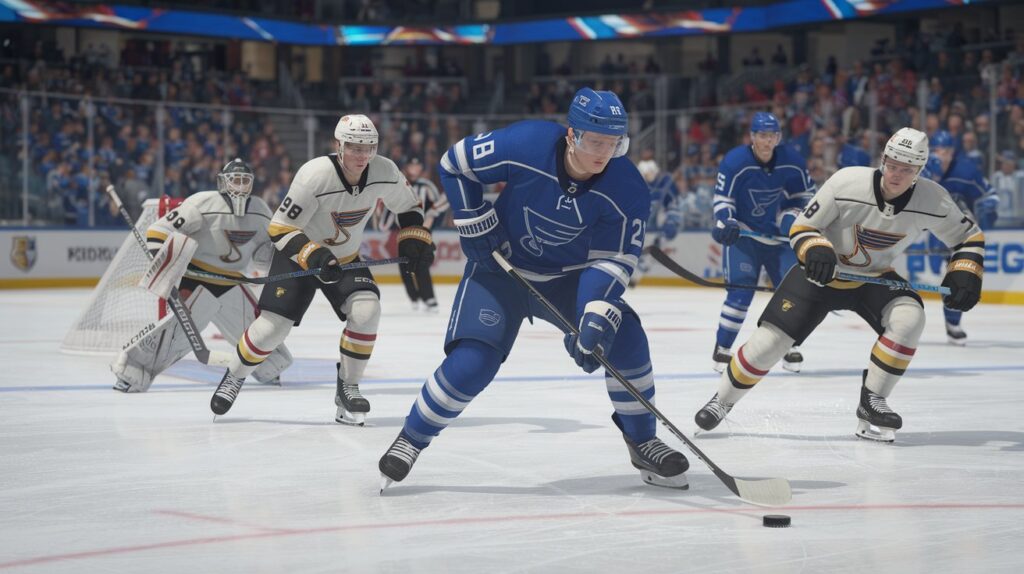
Becoming a professional hockey player requires dedication, strategic planning, and years of intensive training. In the United States, aspiring players must navigate youth programs, junior leagues, college hockey, and minor league systems before reaching professional levels like the NHL. This comprehensive guide breaks down the exact steps, timelines, and requirements to turn your hockey dreams into reality in 2026.
Understanding the Professional Hockey Landscape in the United States
The professional hockey landscape in the United States has evolved significantly, offering multiple pathways to a pro career. The NHL remains the pinnacle, featuring 32 teams with approximately 750 roster spots. Beyond the NHL, the American Hockey League (AHL) serves as the primary development league with 32 teams, while the ECHL provides additional professional opportunities with 28 teams as of 2026. Understanding this professional hockey ecosystem is essential because only about 1% of youth hockey players ultimately reach professional levels.
The competition for NHL roster positions intensifies annually, with players from Canada, Europe, Russia, and the United States competing for limited spots. USA Hockey reports over 560,000 registered players nationwide in 2026, yet fewer than 200 Americans are drafted into the NHL each year across seven rounds. This reality emphasizes the importance of developing elite skills early while maintaining realistic expectations about the professional hockey journey ahead.
Starting Your Hockey Journey: Youth Development Programs
The foundation for becoming a professional hockey player begins in youth programs, ideally starting between ages 4-6. USA Hockey’s Hockey Initiation Program introduces young players to skating fundamentals, puck handling, and basic game concepts through age-appropriate instruction. These early years focus on skill development rather than competition, establishing the technical foundation necessary for advanced play. Starting at the right age provides the 10,000-plus hours of practice experts estimate are needed to reach elite levels.
Parents should research local youth hockey associations affiliated with USA Hockey, which maintains quality standards and age-appropriate programming. Expect annual costs ranging from $2,500 to $8,000 for house league programs, increasing substantially for travel teams. The youth hockey development path progresses through mite, squirt, peewee, bantam, and midget levels, with each stage building more sophisticated skills. Elite players typically join AAA travel teams by age 10-12, competing regionally and nationally to gain exposure to scouts and junior hockey programs.
The Junior Hockey Route to Professional Levels
Junior hockey represents the critical bridge between youth hockey and professional careers for most American players. The United States Hockey League (USHL) stands as the premier Tier 1 junior league, providing NCAA Division I visibility and direct NHL draft exposure. The USHL features 16 teams and maintains strict age eligibility (players under 21), with approximately 25% of active NHL players having USHL experience. Competing in the USHL or equivalent junior leagues dramatically increases your chances of being noticed by professional scouts and college programs.
USHL and Tier 1 Junior Hockey Options
The USHL pathway requires exceptional skill, as teams hold competitive tryouts and maintain protected territories for player recruitment. Players typically enter the USHL at ages 16-18 after being drafted by teams or earning tryout invitations. The league’s tuition-free model includes billet housing with local families, making it accessible regardless of family income. USHL alumni include Patrick Kane, Phil Kessel, and over 300 current NHL players, demonstrating its effectiveness as a development pipeline. Competition in this league accelerates skill development through playing against future professionals daily.
Alternative Junior League Pathways
Beyond the USHL, the North American Hockey League (NAHL) and North American 3 Hockey League (NA3HL) offer additional junior hockey opportunities with different cost structures and competition levels. The NAHL, a Tier 2 league with 35 teams, charges tuition typically between $8,000-$12,000 annually but provides strong NCAA Division I and III placement rates. The NA3HL serves as an entry-level junior option for players developing their skills with aspirations to advance. Canadian major junior leagues (WHL, OHL, QMJHL) remain options but affect NCAA eligibility, requiring careful consideration of your long-term goals.
The College Hockey Path to Professional Success
College hockey through NCAA programs has become increasingly popular for American players pursuing professional careers. NCAA Division I hockey features 60 programs offering athletic scholarships, elite competition, and academic degrees while maintaining professional eligibility. Approximately 33% of NHL players drafted since 2010 played college hockey, with that percentage increasing among American-born players. The college hockey route allows physical and mental maturation while competing against top talent, often leading to better career longevity and higher signing bonuses.
The recruiting process for Division I college hockey intensifies during your bantam and midget years, with coaches actively scouting AAA tournaments and junior leagues. Players must balance athletic development with maintaining strong academic credentials, as NCAA eligibility requires minimum GPA standards and standardized test scores. Most successful recruits commit to programs between ages 14-16, though later commitments occur. The Hockey Commissioners Association reports that 85% of players complete their degrees, providing career security beyond hockey.
NCAA Division I Hockey Programs and Development
The NCAA Division I experience typically spans four years, with players eligible for the NHL draft while maintaining college eligibility. Programs like Boston University, University of Michigan, and University of Minnesota-Duluth consistently produce NHL talent through professional-level coaching, strength programs, and facilities. Players receive comprehensive support including academic tutoring, nutrition planning, sports psychology, and medical care. The schedule includes 34-40 games annually against elite competition, supplemented by intensive practice and development sessions that mirror professional training environments.
Division III and ACHA Options
NCAA Division III and the American Collegiate Hockey Association (ACHA) provide college hockey opportunities for players not recruited by Division I programs. While Division III offers no athletic scholarships, it maintains high academic standards and competitive hockey across 84 programs. Several Division III alumni have reached professional hockey, though the path requires exceptional development during college years. The ACHA includes over 500 programs at various competitive levels, offering continued development for players committed to pursuing professional opportunities through alternative routes.
How to Get Into Professional Hockey: The Draft and Free Agency
The NHL Entry Draft represents the primary gateway to professional hockey for players aged 18-20. Held annually in late June, the draft features seven rounds with 224 total selections across 32 teams. Being drafted requires years of elite performance, high visibility in major junior or college leagues, and strong showings at NHL combine evaluations. Approximately 50% of drafted players never play an NHL game, emphasizing that getting drafted is just the beginning of your professional journey. Players not drafted can pursue free agent contracts, though this path faces longer odds.
NHL Central Scouting tracks thousands of eligible players throughout North America and Europe, releasing multiple rankings before the draft. Players increase draft visibility through consistent performance, participation in showcase tournaments like the World Junior Championships, and attending NHL team development camps. Teams evaluate skating ability, hockey IQ, physical tools, character, and compete level when making selections. First-round picks receive more guaranteed opportunities, while later-round selections must prove themselves in development leagues to earn NHL contracts.
Essential Skills and Physical Requirements for Professional Hockey
Professional hockey demands elite-level skating ability as the foundational skill separating pro players from amateur competitors. NHL players achieve exceptional edge work, acceleration, top-end speed, and agility through tens of thousands of repetitions beginning in childhood. Scouts evaluate stride efficiency, crossover technique, backward skating, and transitional movements when assessing professional potential. The average NHL player speed reaches 20-25 mph during games, with elite skaters exceeding 27 mph, requiring specialized training and natural athletic ability developed over years.
Physical Attributes and Fitness Standards
The modern professional hockey player in 2026 averages 6’1″ and 195 pounds, though successful players range from 5’7″ to 6’7″ depending on position and playing style. NHL teams increasingly value functional strength, explosive power, and cardiovascular endurance over pure size. Professional players maintain body fat percentages between 8-12%, achieved through year-round nutrition planning and strength training. Testing at the NHL Combine evaluates vertical jump, bench press, pull-ups, anaerobic capacity, and various agility drills, with scouts comparing results against positional benchmarks.
Hockey IQ and Mental Skills Development
Hockey IQ encompasses the mental aspects that distinguish professional players from skilled amateurs. Elite players process game situations rapidly, anticipate play development, and make optimal decisions under pressure. This cognitive ability develops through thousands of game repetitions, video study, and coaching at progressive levels. Mental toughness, resilience after setbacks, coachability, and team-first mentality represent equally critical attributes scouts evaluate. Sports psychology has become standard in professional hockey development, with players working on visualization, performance anxiety, and maintaining focus during high-pressure situations.
Training Requirements and Development Programs
Elite hockey training programs combine on-ice skill work with comprehensive off-ice conditioning throughout the year. Professional prospects typically train 5-6 days weekly during off-seasons, including skating sessions, strength training, cardiovascular conditioning, and skills coaching. On-ice development focuses on position-specific techniques, puck skills, shooting accuracy, and game-situation repetitions. The financial investment for high-level training ranges from $15,000 to $50,000 annually when including private coaching, skills camps, strength coaching, and equipment, representing a significant family commitment to professional hockey aspirations.
Many players supplement team practices with specialized hockey development programs offering position-specific coaching and elite-level instruction. Organizations like USA Hockey’s National Team Development Program (NTDP) in Plymouth, Michigan, provide the highest level of development for exceptional players aged 16-18. The NTDP program has produced over 350 NHL players, including Patrick Kane, Phil Kessel, and Auston Matthews. Players selected for the NTDP receive world-class coaching, training facilities, educational support, and international competition experience against professional teams, significantly accelerating their development trajectory.
Timeline and Age Considerations for Professional Hockey
The realistic timeline to professional hockey typically spans 12-18 years from starting youth hockey to signing professional contracts. Players beginning at age 5-6 progress through youth levels (ages 6-15), junior or prep hockey (ages 16-20), and potentially college (ages 18-22) before professional opportunities emerge. Most NHL players make their league debuts between ages 19-23, though exceptional talents like Connor Bedard enter at 18. Understanding this extended timeline helps maintain proper perspective and commitment throughout the demanding development journey.
Starting hockey later than age 8-10 significantly reduces professional odds but doesn’t eliminate possibilities entirely. Players beginning in their teens face steeper challenges developing fundamental skills that elite players ingrained through childhood repetitions. However, exceptional athletes with transferable skills from other sports occasionally succeed through intensive training and rapid development. The key question many ask is whether 25 is too old to start hockey professionally, and the answer is realistically yes for NHL aspirations, though adult recreational and some lower professional leagues remain accessible for skilled late starters.
How Hard Is It to Become a Professional Hockey Player
Becoming a professional hockey player ranks among the most difficult athletic achievements, with approximately 0.1% of youth players reaching the NHL. The journey demands exceptional natural ability, unwavering dedication, significant financial resources, supportive family environments, and considerable good fortune avoiding career-threatening injuries. Players face elimination at every level, with roughly 50% cut between each progression from youth to junior, junior to college or professional, and minor leagues to the NHL. These statistics underscore the extreme difficulty and competitive nature of professional hockey careers.
The physical demands alone eliminate many prospects, requiring elite-level speed, strength, endurance, and coordination developed through years of specialized training. Add the mental toughness needed to overcome constant setbacks, handle pressure situations, and maintain motivation through uncertain prospects, and the challenge multiplies. Geographic factors also influence success rates, with players from traditional hockey regions having better access to quality coaching, competition, and development resources. The commitment extends beyond players to families who sacrifice time, money, and often relocate to support their child’s hockey aspirations throughout the extended development timeline.
Financial Considerations and Costs
The financial investment required for pursuing professional hockey represents a significant barrier for many families. Youth hockey costs escalate rapidly beyond house leagues, with AAA travel teams requiring $8,000-$15,000 annually for team fees, travel expenses, tournament costs, and equipment. Additional expenses for private coaching, skills camps, strength training, and sports medicine can add $10,000-$30,000 yearly. Over a 10-15 year development period, families potentially invest $200,000-$400,000 supporting elite hockey aspirations, though scholarships and financial assistance programs help offset costs for qualifying families.
Equipment alone costs $500-$2,000 annually for growing players requiring frequent replacements. Skates, the most critical equipment, range from $300-$1,000 per pair with elite players needing new skates every 6-12 months. Sticks at $150-$350 each require replacement every few months for players shooting extensively. Travel costs for tournaments in distant cities include hotels, airfare, meals, and time away from work for parents. Despite these expenses, programs like USA Hockey’s grassroots initiatives and team fundraising opportunities help families from diverse economic backgrounds participate. Some organizations offer free hockey lessons and equipment grants, making the sport more accessible.
Alternative Professional Hockey Opportunities
Beyond the NHL, numerous professional hockey leagues worldwide offer career opportunities for players not reaching the highest level. The American Hockey League (AHL) employs approximately 750 players as the NHL’s primary development affiliate, with salaries ranging from $52,000 to $350,000 annually. The ECHL, a step below the AHL, provides professional opportunities for 650+ players with salaries between $21,000-$80,000. European leagues in Sweden (SHL), Finland (Liiga), Switzerland (NLA), Germany (DEL), and the Kontinental Hockey League (KHL) offer competitive professional environments with salaries comparable to or exceeding AHL levels for quality players.
These alternative professional paths allow players to earn livings playing hockey while potentially developing into NHL prospects. Many players enjoy lengthy, lucrative careers in European leagues without NHL experience, particularly those excelling in specific systems or roles. The lifestyle in European leagues often provides better work-life balance, cultural experiences, and financial stability compared to minor leagues in North America. Women’s professional hockey has expanded significantly, with the Premier Hockey Federation (PHF) and Professional Women’s Hockey League (PWHL) offering career opportunities, though salaries and roster spots remain limited compared to men’s leagues.
Life After Hockey: Career Planning and Education
Smart aspiring professional hockey players maintain realistic perspectives about career longevity and prepare for life after hockey simultaneously. The average NHL career lasts just 5.5 years, with many players retiring in their late 20s or early 30s, requiring second careers spanning decades. This reality makes education critically important, whether through completing college degrees, vocational training, or business development during playing years. NCAA hockey provides the advantage of earning degrees while competing, offering career security if hockey dreams don’t materialize or after retirement from playing.
Former players transition into coaching, scouting, player development, broadcasting, business, and countless other fields using skills developed through hockey. The discipline, teamwork, resilience, and work ethic required for elite hockey transfer effectively to professional careers outside sports. Organizations like the NHL Players’ Association offer career counseling, educational programs, and networking opportunities helping players prepare for post-hockey life. Financial planning becomes critical for players earning significant salaries during short career windows, requiring smart investments, savings, and avoiding lifestyle inflation that leaves many athletes financially vulnerable after retirement.
Related video about how to become a professional hockey player
This video complements the article information with a practical visual demonstration.
Key Questions and Answers
How do you get into professional hockey?
Getting into professional hockey requires starting youth hockey early (ages 4-8), progressing through competitive youth programs, joining elite junior leagues like the USHL or playing NCAA Division I hockey, and being drafted by or signing with professional teams. The path demands 12-18 years of intensive training, elite skill development, high-level competition exposure, and either being selected in the NHL Entry Draft or earning professional contracts through free agency. Only about 0.1% of youth hockey players ultimately reach professional levels.
How hard is it to become a professional hockey player?
Becoming a professional hockey player is extremely difficult, with approximately 1 in 1,000 youth players reaching professional leagues and only 1 in 10,000 making the NHL. The journey requires exceptional natural athletic ability, 10,000+ hours of deliberate practice, significant financial investment ($200,000-$400,000 over development years), unwavering mental toughness, and avoiding career-ending injuries. Players face elimination at every competitive level, with roughly half cut between each progression, making it one of the most challenging professional athletic careers to achieve.
Is 25 too old to start hockey with professional aspirations?
Yes, age 25 is realistically too old to start hockey with NHL or professional aspirations in major leagues. Professional players typically begin youth hockey by age 5-8 and spend 12-18 years developing elite skills before reaching pro levels. Starting at 25 means competing against players with 15-20 years more experience and fundamentals ingrained through childhood development windows. However, adult recreational leagues, beer leagues, and some lower-level professional opportunities remain accessible for skilled late starters who train intensively, though NHL dreams are essentially impossible without starting in childhood.
Who was the first NHL player to make $1,000,000 a year?
Bobby Orr became the first NHL player to earn $1,000,000 annually when he signed with the Chicago Blackhawks in 1976, though his contract included various bonuses and deferrals that reached seven figures. Some hockey historians also credit Bobby Hull’s contract with the Winnipeg Jets of the WHA in 1972 as reaching $1 million annually when including signing bonuses. These groundbreaking contracts revolutionized hockey salaries, paving the way for today’s multi-million dollar player compensation where the 2026 NHL salary cap allows teams to spend over $87 million on player salaries.
What leagues should I play in to become a professional hockey player?
To become a professional hockey player, focus on these competitive pathways: USA Hockey youth programs and AAA travel teams (ages 8-15), the United States Hockey League or NAHL (ages 16-20), NCAA Division I college hockey (ages 18-22), or Canadian major junior leagues like the OHL, WHL, or QMJHL. The USHL represents the premier development league for American players, with 25% of NHL players having USHL experience. College hockey through NCAA Division I programs has produced 33% of recently drafted NHL players while providing education and physical maturation time before professional careers.
How much does it cost to train for professional hockey?
Training for professional hockey costs families between $15,000-$50,000 annually during peak development years, including AAA team fees ($8,000-$15,000), private coaching ($5,000-$15,000), skills camps ($2,000-$8,000), strength training ($2,000-$5,000), and equipment ($1,000-$3,000). Over a typical 10-15 year development timeline, total costs range from $200,000-$400,000. However, programs like the USHL offer tuition-free hockey with billet housing, NCAA scholarships cover costs during college years, and various financial assistance programs help families from diverse economic backgrounds. Free hockey lessons and equipment grant programs through USA Hockey and local organizations make youth hockey more accessible.
| Development Stage | Age Range | Key Requirements | Annual Costs |
|---|---|---|---|
| Youth Hockey | 5-15 years | Fundamental skills, AAA travel teams, tournament exposure | $8,000-$20,000 |
| Junior Hockey | 16-20 years | USHL/NAHL competition, elite development, draft exposure | $0-$12,000 |
| College Hockey | 18-22 years | NCAA Division I play, academic standards, physical maturation | $0 (scholarship) |
| Professional Entry | 19-23 years | Draft selection or free agent signing, AHL/ECHL development | Earning salary |
| NHL Career | 20-35 years | Elite performance, consistent development, injury avoidance | $750K+ salary |