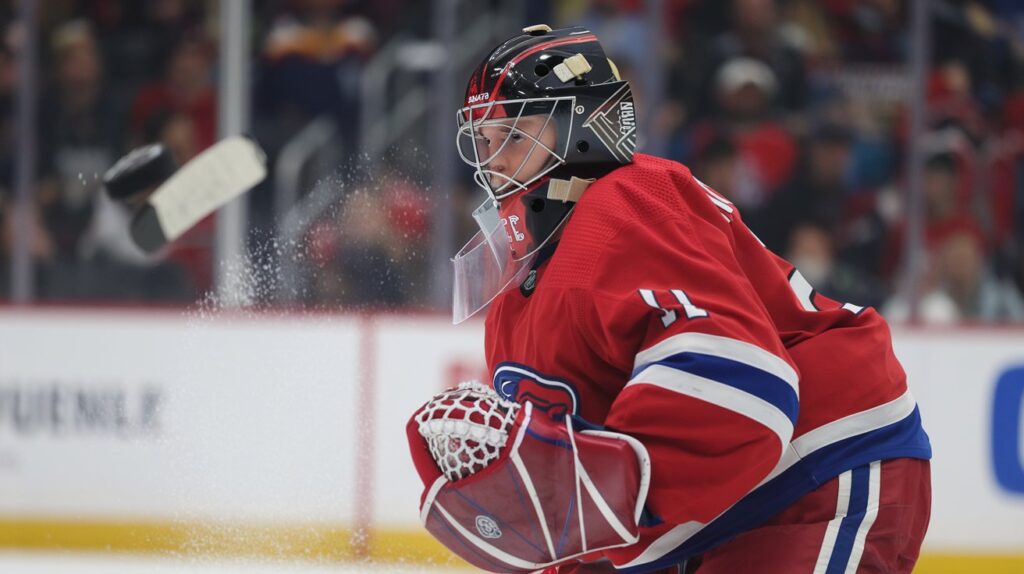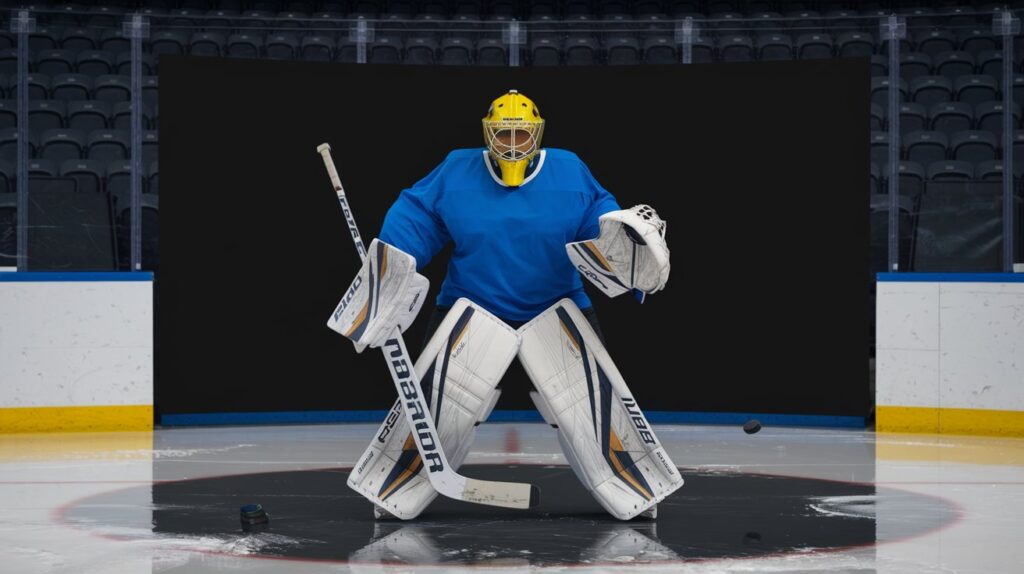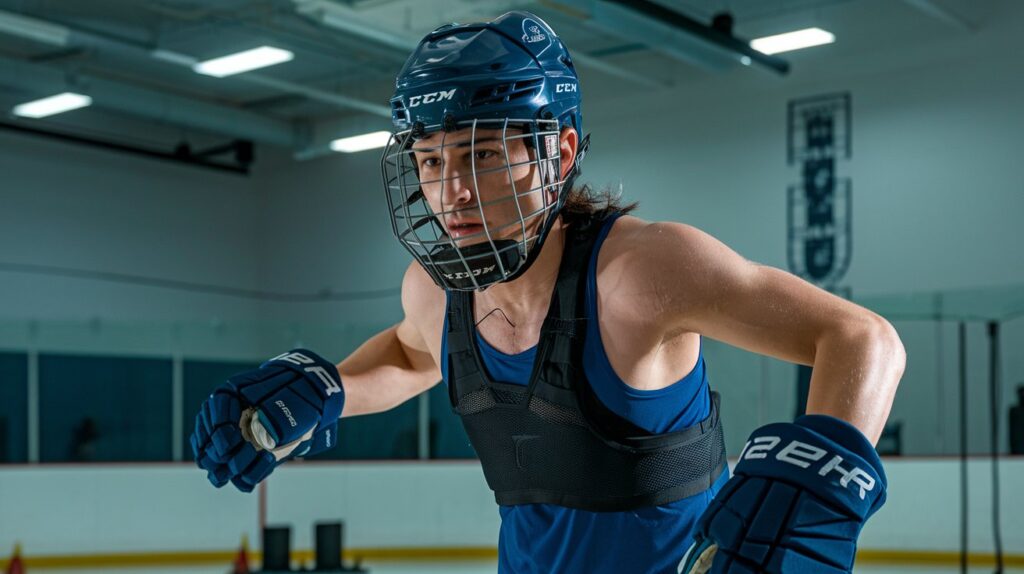
Off ice hockey training has become essential for players at every level seeking to improve their skating speed, shooting accuracy, and overall performance. In 2026, NHL players and youth athletes across the United States dedicate substantial time to dryland training, incorporating strength conditioning, agility drills, and stick-handling exercises that don’t require ice time. This comprehensive guide provides actionable off ice hockey training strategies, equipment recommendations, and age-specific programs to elevate your game year-round.
Understanding Off Ice Hockey Training Fundamentals
Off ice hockey training encompasses all conditioning and skill development activities performed outside the rink environment. These exercises replicate on-ice movements while building strength, endurance, and muscle memory that translate directly to improved game performance. The primary focus areas include cardiovascular conditioning, lower body power development, core stability, upper body strength for checking and shooting, and sport-specific agility that mimics skating patterns.
Research from USA Hockey’s 2026 Athletic Development Model demonstrates that players who engage in structured off ice training programs show 27% improvement in on-ice performance metrics compared to those relying solely on ice practice. The training methodology emphasizes functional movements that address the unique biomechanical demands of hockey, including lateral movement patterns, rotational power for shooting, and explosive starts and stops. Modern off ice programs integrate sports science principles with hockey-specific drills to maximize transfer of training adaptations to actual gameplay situations.
Essential Off Ice Hockey Training Equipment
Building an effective home training setup requires strategic equipment selection that addresses multiple development areas. The foundation of any off ice program includes slide boards for lateral movement simulation, synthetic ice tiles for stickhandling practice, resistance bands for strength work, agility ladders for footwork development, and weighted training pucks for shot power enhancement. Additional equipment such as balance boards, medicine balls, and adjustable dumbbells expand exercise variety and progression options for growing athletes.
In 2026, technological advances have introduced smart training tools including sensor-equipped sticks that track shot velocity and accuracy, virtual reality systems for tactical training, and biomechanical analysis apps that provide instant feedback on movement patterns. For families seeking off ice hockey training at home solutions, a basic starter package ranging from $300-$600 provides sufficient equipment for comprehensive development. Premium setups with synthetic ice panels and advanced tracking technology typically cost between $2,000-$5,000, offering year-round training capabilities that rival dedicated facilities. Equipment durability and space efficiency remain primary considerations for United States households implementing home training programs.
Age-Specific Training Programs and Progressions
Off ice hockey training effectiveness depends heavily on age-appropriate programming that aligns with physical development stages and cognitive maturity levels. Program design must account for skeletal maturation, neuromuscular coordination capacity, attention span limitations, and injury risk factors specific to each developmental phase.
Hockey Dryland Training for 10 Year Olds
Youth players aged 8-12 require training programs emphasizing fundamental movement skills rather than specialized hockey movements. This developmental stage prioritizes bodyweight exercises, coordination drills, basic agility patterns, and enjoyable activities that maintain engagement while building athletic foundations. Recommended exercises include ladder drills for footwork, cone courses for change of direction, bear crawls and animal movements for core stability, jumping rope for coordination, and light medicine ball tosses for upper body engagement. Sessions should last 30-45 minutes with high variety and game-based activities to maintain young athlete motivation.
USA Hockey’s Long-Term Athlete Development model emphasizes that 10 year old players benefit most from multi-sport participation combined with hockey-specific skill work. Off ice sessions two to three times weekly provide optimal stimulus without overtraining risks. The focus remains on proper movement patterns rather than intensity or volume, with coaches prioritizing technique feedback and positive reinforcement. Parents implementing off ice hockey training for kids at home should emphasize fun, variety, and gradual progression while avoiding early specialization that can lead to burnout or overuse injuries prevalent in youth sports.
Training Programs for Teenage and High School Players
Athletes aged 13-18 enter critical development windows where strength training produces significant performance gains and injury prevention benefits. High school players require progressive resistance training incorporating compound lifts such as squats, deadlifts, bench press variations, and Olympic lifting derivatives that build functional power. The training split typically includes three to four strength sessions weekly, two to three conditioning sessions focusing on hockey-specific energy systems, and dedicated mobility work addressing common restriction patterns in hip flexors, adductors, and thoracic spine regions.
Contemporary BVHS off ice conditioning programs integrate periodized training blocks aligned with competitive seasons, featuring hypertrophy phases during off-season, strength-power conversion during pre-season, and maintenance programming during competitive periods. Speed and agility work emphasizes first-step quickness, multi-directional speed, and reactive agility that replicates game situations. Teenage players benefit from structured off ice training plan PDFs that provide clear exercise progressions, load management guidelines, and recovery protocols preventing overtraining syndrome increasingly common in committed youth athletes.
How NHL Players Train in the Offseason
Professional hockey players dedicate their offseason periods to comprehensive physical development programs addressing deficiencies revealed during competitive seasons. NHL offseason training typically spans May through August, featuring distinct phases that progressively build toward training camp readiness. The initial phase focuses on recovery and movement restoration following the grueling 82-game regular season and potential playoff extension. Players undergo comprehensive assessments including body composition analysis, movement screening, strength testing, and metabolic profiling that inform individualized program design for the subsequent training blocks.
Elite players structure their offseason around four to five weekly strength training sessions, three to four conditioning sessions utilizing bike intervals and slide board work, two to three on-ice skill sessions maintaining technical proficiency, and dedicated recovery modalities including massage therapy, contrast bathing, and sleep optimization protocols. Training intensity progressively increases throughout the offseason, with early phases emphasizing hypertrophy and aerobic base building before transitioning to maximum strength development and high-intensity conditioning that replicates game demands. Current NHL training methodologies in 2026 incorporate advanced recovery monitoring through heart rate variability tracking, sleep quality metrics, and subjective wellness questionnaires that guide daily training adjustments preventing overreach and optimizing adaptation.
Professional players invest $15,000-$40,000 annually in offseason training programs, hiring strength coaches, skills coaches, nutritionists, and sports psychologists who collaboratively optimize performance development. The training locations vary from specialized hockey performance facilities to private training centers equipped with force plates, velocity-based training technology, and video analysis systems. Top performers recognize that offseason preparation directly determines competitive season success, with training commitment serving as the primary differentiator between roster players and elite performers commanding premium contracts in the modern NHL landscape.
Comprehensive Off-Ice Exercise Categories and Progressions
A complete off ice hockey training program systematically addresses multiple physical capacities through exercise categories that complement each other while avoiding interference effects. The primary training categories include lower body strength and power development, upper body pushing and pulling strength, core stability and rotational power, cardiovascular conditioning, mobility and flexibility work, and sport-specific skill transfer exercises.
Lower Body Strength and Power Development
Hockey skating demands exceptional lower body power production through hip extension, knee extension, and ankle plantar flexion working synergistically during the stride cycle. Foundational exercises include back squats and front squats building absolute strength, Romanian deadlifts and single-leg deadlifts developing posterior chain strength, Bulgarian split squats addressing unilateral strength and stability, step-ups with various loading schemes, and hip thrust variations maximizing glute development crucial for skating power. Progressive overload follows established periodization models with loads ranging from 65-85% of one-repetition maximum depending on training phase and athlete development level.
Power development utilizes Olympic lifting variations including hang cleans, power cleans, and push jerks that train rapid force production essential for explosive skating starts and acceleration bursts. Plyometric exercises such as box jumps, broad jumps, lateral bounds, and depth jumps develop reactive strength and elastic energy utilization. Advanced programs incorporate complex training pairing heavy strength exercises with explosive movements, velocity-based training monitoring bar speed to optimize power output, and accommodating resistance through bands and chains addressing strength curves specific to hockey movement patterns. Lower body training frequency typically ranges from two to four sessions weekly depending on competitive schedule and recovery capacity.
Core Stability and Rotational Power Training
Core strength provides the stable platform enabling efficient force transfer from lower body to upper body during shooting, checking, and skating maneuvers. Effective core training programs emphasize anti-extension exercises like planks and dead bugs, anti-lateral flexion exercises including side planks and suitcase carries, anti-rotation exercises such as Pallof presses and landmine rotations, and dynamic stability challenges through stability ball exercises and asymmetrical loading patterns. These exercises develop the ability to resist unwanted movement while maintaining neutral spine positioning under various loading conditions encountered during hockey gameplay.
Rotational power training specifically targets shooting velocity and checking force through medicine ball rotational throws, cable chops and lifts, landmine rotational presses, and resistance band rotations performed explosively. The training emphasizes initiating rotation from the hips rather than the spine, maintaining core stiffness during rotation, and accelerating through the full range of motion before controlled deceleration. Progressive programs advance from bilateral stance to split stance to single-leg stance, increasing stability demands while maintaining power output. Core training frequency of three to four sessions weekly integrated into warm-up routines or strength session finishers provides optimal stimulus for hockey-specific trunk control and rotational power development.
Creating Your Off Ice Hockey Training Plan
Developing an effective training plan requires systematic organization of exercise selection, training frequency, session structure, and progressive overload strategies aligned with individual goals and constraints. The planning process begins with comprehensive assessment identifying strengths, weaknesses, injury history, available equipment, and time availability that inform program customization. A well-structured plan balances training stress with adequate recovery, prevents adaptation plateaus through planned variation, and maintains motivation through appropriate challenge levels and measurable progress indicators.
Weekly training schedules typically follow templates based on competitive level and season phase. Youth players benefit from two to three sessions of 30-45 minutes emphasizing movement quality and skill development. High school players progress to three to four sessions of 45-60 minutes combining strength work, conditioning, and skill practice. Elite and professional players implement five to six sessions of 60-90 minutes featuring specialized training blocks. Each session follows a structured format including dynamic warm-up addressing mobility restrictions and neural activation, primary work focusing on session objectives with appropriate volume and intensity, and cool-down incorporating static stretching and recovery techniques. Downloading off ice hockey training plan PDFs from reputable sources provides templates adaptable to individual circumstances while ensuring comprehensive coverage of essential training elements.
Off Ice Hockey Training at Home: Maximizing Limited Space
Home-based training programs deliver substantial performance benefits when designed thoughtfully around space constraints and equipment availability. A typical garage, basement, or spare room measuring 10×10 feet provides sufficient area for comprehensive training when exercises are selected strategically. Bodyweight exercises including push-up variations, squat patterns, lunge variations, and core exercises require minimal space while building foundational strength. Resistance bands offer variable resistance for upper body pressing and pulling, lower body exercises, and rotational movements while storing compactly and traveling easily for consistent training access.
Small equipment additions exponentially increase exercise variety within limited space. A single kettlebell enables goblet squats, swings, Turkish get-ups, and dozens of strength and power exercises. Adjustable dumbbells provide progressive resistance across full body movements without requiring extensive storage. A slide board measuring 6-8 feet develops lateral skating movements and conditioning in minimal space. Stickhandling balls and weighted pucks facilitate skill development on any smooth surface. Creative programming using circuit training formats, timed intervals, and density methods maintains training intensity despite equipment limitations. Many NHL players maintain home training spaces for convenient supplementary work between formal training sessions, demonstrating that performance gains don’t require elaborate facility access when programs are designed intelligently around available resources.
Finding Quality Off Ice Hockey Training Near Me
Locating reputable off ice training facilities and coaches enhances program quality through expert instruction, specialized equipment access, and peer training environments promoting accountability and competition. Major metropolitan areas across the United States feature dedicated hockey performance centers offering group classes, semi-private training, and individual coaching from certified strength and conditioning specialists with hockey expertise. These facilities typically charge $150-$300 monthly for unlimited group class access or $75-$150 per individual session depending on coach credentials and facility amenities.
Evaluation criteria for selecting quality programs include coach certifications from recognized organizations such as NSCA, USA Hockey, or similar governing bodies, facility equipment quality and maintenance standards, training philosophy alignment with current sports science research, athlete testimonials and success stories, and program structure demonstrating periodization and individualization rather than random workout generation. Many facilities offer complimentary assessment sessions providing opportunities to evaluate coaching quality, training environment, and program fit before financial commitment. Virtual training options have expanded significantly in 2026, with remote coaching programs delivering customized training plans, video exercise demonstrations, and regular check-ins at reduced costs compared to in-person training while maintaining program quality and accountability for motivated athletes.
Nutrition and Recovery Strategies for Off Ice Training
Training adaptations occur during recovery periods rather than training sessions themselves, making nutrition and recovery protocols equally important as exercise programming for performance development. Proper nutrition supports training energy demands, facilitates muscle repair and growth, maintains immune function during high training loads, and optimizes body composition for hockey performance. Daily caloric intake should align with training volume and intensity, typically ranging from 2,200-2,800 calories for youth players, 2,800-3,500 calories for high school players, and 3,200-4,500 calories for elite and professional athletes depending on body size and training demands.
Macronutrient distribution emphasizes adequate protein intake of 0.7-1.0 grams per pound of body weight supporting muscle protein synthesis and recovery. Carbohydrate intake of 2.0-3.5 grams per pound provides energy for high-intensity training and replenishes muscle glycogen stores. Dietary fat comprising 20-30% of total calories supports hormone production and vitamin absorption. Nutrient timing strategies optimize adaptation by consuming protein and carbohydrates within 60 minutes post-training when nutrient uptake mechanisms are enhanced. Hydration protocols maintain performance through adequate fluid intake of half bodyweight in ounces daily, increased during training sessions and hot weather conditions.
Recovery modalities accelerate adaptation and prevent overtraining syndrome through systematic implementation of sleep optimization targeting 8-10 hours nightly for youth and 7-9 hours for adults, active recovery sessions featuring low-intensity movement promoting blood flow without additional training stress, soft tissue work through foam rolling and massage addressing muscle tension and restriction, and strategic rest days allowing physiological and psychological recovery. Advanced recovery technologies popular among professional players in 2026 include compression therapy systems, contrast bathing protocols, and cryotherapy chambers, though research suggests fundamental recovery practices of adequate sleep, nutrition, and stress management provide the greatest recovery benefits for most athletes.
Injury Prevention Through Off Ice Training
Properly designed off ice programs substantially reduce injury risk through addressing common hockey injury mechanisms including groin strains, hip flexor injuries, shoulder problems, and lower back pain. Injury prevention programming emphasizes balanced strength development between agonist and antagonist muscle groups, mobility work addressing typical hockey restriction patterns, and movement quality refinement correcting faulty patterns that increase joint stress during repetitive hockey movements.
Specific injury prevention exercises include Copenhagen adduction protocols reducing groin injury risk by 41% according to 2025 research, rotator cuff strengthening through band external rotations and prone shoulder exercises preventing shoulder impingement, hip flexor and psoas strengthening addressing anterior hip pain common in skaters, and thoracic spine mobility work reducing compensatory lumbar spine stress. Proper landing mechanics training during plyometric exercises develops neuromuscular control preventing knee injuries. Core stability exercises protect the spine during checking and falling impacts. Progressive load management following the 10% rule prevents overuse injuries by limiting weekly training volume increases to 10% or less, allowing gradual tissue adaptation to increasing demands.
Measuring Progress and Adjusting Your Training Program
Systematic progress tracking enables objective program evaluation and informed adjustment decisions maximizing training effectiveness. Performance testing conducted every 4-8 weeks provides quantifiable data reflecting training adaptations. Recommended assessments include lower body power through vertical jump or broad jump testing, skating-specific power via slide board distance testing, upper body strength through push-up or bench press assessments, core endurance using plank hold duration, and conditioning capacity through beep test or repeated sprint protocols. Additional metrics including body weight, body composition, and subjective wellness ratings provide comprehensive progress monitoring across multiple performance domains.
Data analysis identifies training program effectiveness and informs necessary modifications. Consistent progress across multiple metrics validates current programming and supports continued progression. Performance plateaus lasting 3-4 weeks suggest need for program variation through exercise selection changes, loading parameter adjustments, or training method modifications. Performance decreases may indicate inadequate recovery, excessive training volume, or life stress interference requiring volume reduction or recovery emphasis. Successful long-term development requires balancing consistency with strategic variation, maintaining core program elements that drive adaptation while periodically introducing novel stimuli preventing stagnation and maintaining engagement throughout extended training careers spanning youth development through elite competition levels.
Related video about off ice hockey training
This video complements the article information with a practical visual demonstration.
Essential Q&A about off ice hockey training
How do NHL players train in the offseason?
NHL players dedicate their offseason to comprehensive physical development through structured programs spanning May through August. Training includes four to five weekly strength sessions focusing on hypertrophy and maximum strength development, three to four conditioning sessions using bike intervals and slide board work replicating skating demands, and two to three on-ice skill sessions maintaining technical proficiency. Players invest $15,000-$40,000 annually in coaching, hiring strength coaches, skills trainers, and nutritionists who collaboratively optimize performance. Elite offseason programs incorporate advanced recovery monitoring through heart rate variability tracking and sleep optimization, with training intensity progressively increasing to ensure training camp readiness and competitive season success.
What are the best exercises for off-ice hockey training?
The most effective off-ice exercises address hockey-specific movement patterns and energy systems. Essential lower body exercises include squats, deadlifts, Bulgarian split squats, and single-leg variations building skating power. Core exercises such as planks, Pallof presses, and rotational medicine ball throws develop stability and shooting power. Upper body work incorporates push-ups, rows, and shoulder strengthening preventing injury. Power development utilizes box jumps, broad jumps, and Olympic lifting variations. Conditioning exercises include slide board lateral movements, battle ropes, and high-intensity interval protocols. Stickhandling drills on synthetic ice or smooth surfaces maintain puck skills. A comprehensive program balances these categories across weekly training sessions for complete physical development.
How can I create an effective off-ice hockey training program at home?
Creating a home training program requires strategic exercise selection around available space and equipment. Start with bodyweight exercises including push-up variations, squat patterns, lunges, and core work requiring minimal space. Add resistance bands providing variable resistance for full-body exercises while storing compactly. A single kettlebell or adjustable dumbbells enable progressive strength development. A slide board develops lateral skating movements in limited space. Stickhandling balls facilitate skill work on any smooth surface. Structure weekly schedules with two to four sessions of 30-60 minutes depending on age and experience level. Follow a format including dynamic warm-up, primary strength or skill work, and cool-down stretching. Download reputable training plan PDFs providing exercise progressions and ensure adequate recovery between sessions for optimal adaptation.
What off-ice training equipment is essential for hockey players?
Essential off-ice equipment depends on training goals and budget constraints. A foundational setup includes resistance bands for strength work ($20-40), an agility ladder for footwork development ($15-30), a slide board for lateral movement training ($100-200), and weighted training pucks for shot development ($30-50). Additional beneficial equipment includes adjustable dumbbells or kettlebells ($100-300), a balance board for stability training ($40-80), and synthetic ice tiles for stickhandling practice ($200-500). Medicine balls enable core and power development ($30-60). A basic starter package costs $300-600, while comprehensive home setups with synthetic ice panels and advanced tracking technology range from $2,000-$5,000. Prioritize versatile equipment offering multiple exercise options and durable construction for long-term value.
How often should hockey players do off-ice training?
Off-ice training frequency varies by age, competitive level, and season phase. Youth players aged 8-12 benefit from two to three sessions weekly of 30-45 minutes emphasizing fundamental movement skills without overtraining risks. High school players typically perform three to four sessions of 45-60 minutes combining strength, conditioning, and skill work. Elite and professional players implement five to six sessions of 60-90 minutes featuring specialized training blocks during offseason periods. During competitive seasons, frequency reduces to two to three maintenance sessions preventing detraining while managing fatigue. Each session should allow 48 hours recovery for major muscle groups before repeating similar training stimuli. Quality and consistency outweigh excessive volume, with properly designed programs producing significant performance improvements through sustainable training loads aligned with individual recovery capacity.
What are the best dryland training exercises for 10 year old hockey players?
Ten year old players require age-appropriate exercises emphasizing fundamental movement skills rather than specialized training. Recommended dryland exercises include agility ladder drills developing footwork coordination, cone courses practicing change of direction, bodyweight squats and lunges building leg strength, push-ups and modified variations for upper body development, bear crawls and animal movements enhancing core stability, jumping rope improving coordination and conditioning, and light medicine ball tosses for upper body engagement. Sessions should last 30-45 minutes with high variety and game-based activities maintaining engagement. Prioritize proper movement patterns over intensity or volume, with two to three weekly sessions providing optimal stimulus. Avoid early specialization by encouraging multi-sport participation alongside hockey-specific skill development for long-term athletic development and injury prevention.
| Training Component | Key Elements | Primary Benefit |
|---|---|---|
| Lower Body Strength | Squats, deadlifts, single-leg exercises, plyometrics | Increased skating power and acceleration |
| Core Development | Planks, rotational exercises, anti-movement drills | Enhanced shooting power and stability |
| Conditioning | Slide board work, interval training, repeated sprints | Improved endurance and recovery between shifts |
| Skill Work | Stickhandling drills, shooting practice, agility patterns | Maintained puck skills and coordination |
| Recovery Protocols | Sleep optimization, nutrition timing, soft tissue work | Accelerated adaptation and injury prevention |
| Program Structure | Periodization, progressive overload, individualization | Consistent long-term performance improvement |