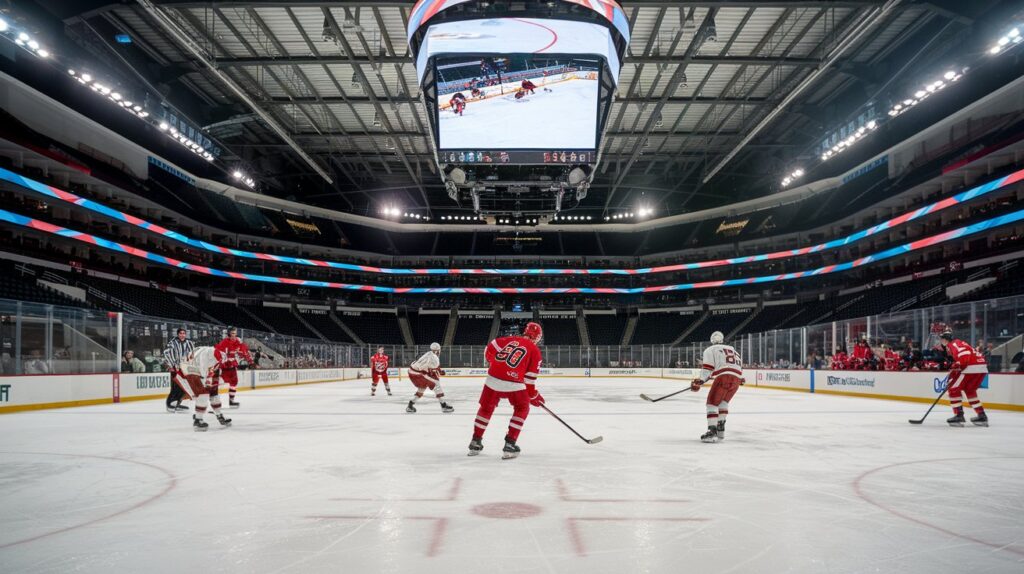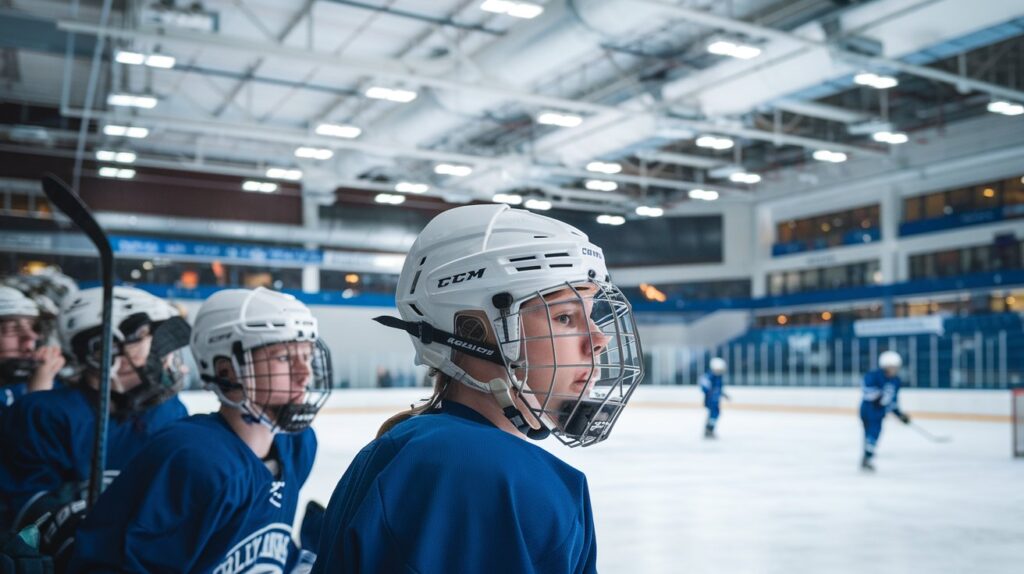
Starting your hockey journey can feel overwhelming, but mastering the fundamentals makes all the difference. Whether you’re joining a youth hockey program or an adult recreational league across the United States, understanding the basic skills and rules will accelerate your development on the ice. This comprehensive guide covers everything from skating techniques to positioning strategies, helping you build confidence and competence as a beginner hockey player in 2026.
Master Skating Before Anything Else
The foundation of hockey success starts with skating ability. Before you worry about stickhandling or shooting, you need to develop strong skating fundamentals. In 2026, USA Hockey reports that players who spend at least 70% of their initial training time on skating skills progress 3 times faster than those who split focus evenly across all skills. Your skating determines where you can go on the ice, how quickly you get there, and your ability to execute other skills effectively.
Focus on balance and edge work during your first weeks on the ice. Practice gliding on one foot, doing crossovers in both directions, and stopping using both inside and outside edges. Many beginner players in the United States start with public skating sessions before joining organized hockey to build comfort on skates. Dedicate 15-20 minutes of every practice session to skating drills, even as you advance. Strong skating creates opportunities and prevents defensive breakdowns that put your team at a disadvantage.
Keep Your Stick on the Ice at All Times
One of the most repeated phrases in hockey coaching is keep your stick on the ice, and for good reason. When your stick blade remains on the ice surface, you’re always ready to receive a pass, deflect a shot, or poke the puck away from an opponent. USA Hockey statistics from 2026 show that players who maintain proper stick position receive 40% more successful passes and create twice as many scoring opportunities compared to those who carry their stick high.
Developing this habit requires conscious effort for beginner hockey players. Your natural instinct might be to lift your stick while skating or watching the play develop, but this removes you from the action. Practice skating with your stick blade flat on the ice, maintaining a slight bend in your knees and keeping your top hand relaxed. This position allows you to react instantly when the puck comes your way and signals to teammates that you’re an available passing option. Where you put your stick determines whether you’re actively part of the play or just skating around.
Focus on Positioning Instead of Chasing
New hockey players commonly make the mistake of constantly chasing the puck around the ice. This exhausting approach leaves you out of position, creates gaps in team defense, and rarely results in positive outcomes. Instead, focus on proper positioning based on where the puck is and where it’s likely to go next. Understanding basic hockey geometry and maintaining your designated zone responsibility makes you a valuable teammate immediately.
The concept of positioning in hockey relates directly to the age-old question: where do you put your weakest player in hockey? Traditionally, youth coaches position less experienced players on the wing, particularly right wing, where defensive responsibilities are more defined and offensive contributions can develop naturally. However, in modern hockey systems used across the United States in 2026, every position requires smart positioning rather than exceptional skill. Learn to read the play, anticipate puck movement, and be where you need to be before the puck arrives.
Understanding the 5 Basic Rules of Hockey
Before stepping on the ice, beginner players need to understand fundamental hockey rules that govern gameplay. These basic rules ensure safety, maintain fair play, and create the structure that makes hockey enjoyable. The five basic rules every new player must know include offside, icing, penalties, faceoff procedures, and puck possession regulations.
Offside and Icing Rules Explained
Offside occurs when an attacking player enters the offensive zone before the puck crosses the blue line. This rule prevents cherry-picking and ensures continuous flow of play. The icing rule is called when a player shoots the puck from their defensive zone across the opposing team’s goal line without it being touched. In USA Hockey leagues in 2026, most youth levels use hybrid icing for player safety, where officials determine the icing call based on which player would reach the puck first. Understanding these basic hockey rules prevents confusion and helps you make smart decisions about when to advance and when to hold position.
What is the 3-2-1 Rule in Hockey
The 3-2-1 rule in hockey refers to defensive zone coverage positioning where three players maintain forward positions, two defensemen hold the blue line area, and one player (typically the center) provides middle support. This system, widely taught in United States hockey programs in 2026, ensures balanced coverage while maintaining offensive pressure potential. As a beginner, understanding this rule helps you recognize where teammates should be positioned and where you need to move based on your role. The rule emphasizes structure over chaos, making it easier for new players to contribute effectively without years of experience.
Develop Strong Communication Skills on Ice
Hockey moves too fast for silent play. Effective communication transforms five individual players into a cohesive unit that anticipates movements and supports each other. Veteran players in adult hockey leagues across the United States emphasize that vocal communication matters more than raw skill for team success. Simple calls like man on, time, support, and stretch provide crucial information that helps teammates make better decisions under pressure.
Start developing your communication habits immediately, even as a beginner. Call for passes when you’re open, warn teammates about approaching opponents, and acknowledge good plays. In 2026, many hockey coaches require players to make at least five verbal communications per shift to build this habit. Your voice becomes an extra sense for teammates who might not see the whole ice. As you advance, you’ll learn more sophisticated calls related to breakouts, power plays, and defensive assignments, but basic communication makes you valuable from day one.
Essential Equipment and How to Choose It
Proper hockey equipment protects you from injury while allowing freedom of movement necessary for skill development. Beginner players in the United States typically invest $300-800 for complete gear in 2026, with options ranging from budget starter packages to premium equipment. The most critical pieces are a properly fitted helmet with full cage or shield, skates that provide ankle support without pressure points, and gloves that protect your hands while maintaining stick feel.
When selecting beginner hockey gear, prioritize fit over brand names. Your skates should feel snug with toes barely brushing the front when standing, but pulling back slightly when you bend your knees in skating position. Hockey shops across the United States offer fitting services, and many youth hockey programs run equipment swaps where families exchange outgrown gear. Don’t overlook the importance of a quality stick with appropriate flex rating—generally, your weight divided by two provides a starting point for flex selection. Where you get your equipment matters less than ensuring proper fit and protection.
10 Basic Skills Every Hockey Player Must Develop
Beyond skating, hockey requires a diverse skill set that separates effective players from those who struggle. The 10 basic skills in hockey that beginners should prioritize include forward skating, backward skating, crossovers, stopping, starting, stickhandling, passing, receiving passes, shooting, and checking (body position). Master these fundamentals before attempting advanced moves or specialty techniques.
Create a structured practice routine that addresses each skill systematically. USA Hockey’s American Development Model, widely implemented across the United States in 2026, recommends spending 70% of practice time on small-area games and skill stations rather than full-ice scrimmages. This approach gives beginner players more puck touches and repetition opportunities. Work on skills in isolation during stick-and-puck sessions, then integrate them during team practices. Your development timeline varies based on athletic background and ice time frequency, but consistent practice focusing on these basic hockey skills produces measurable improvement within 8-12 weeks.
Join a Supportive Hockey Community
Learning hockey becomes significantly easier when you’re surrounded by supportive teammates and coaches who understand the beginner experience. Adult hockey leagues across the United States have experienced 35% growth since 2024, creating abundant opportunities for new players at every skill level. Organizations like USA Hockey, local beer leagues, and learn-to-play programs provide structured environments where beginners can develop without intimidation.
Research hockey communities in your area by checking local rink websites, joining hockey-focused social media groups, and attending public skating sessions where you can connect with players. Many cities now offer dedicated beginner leagues that prohibit checking and enforce balanced competition rules. The hockey tips for beginners Reddit community has grown to over 85,000 members in 2026, providing a valuable resource for equipment advice, training tips, and encouragement from players who recently completed their own beginner journey. Finding the right community accelerates learning and keeps you motivated through inevitable frustrations.
Field Hockey Tips for Beginners
While ice hockey dominates winter sports in the United States, field hockey offers an accessible alternative with different technical demands. Field hockey emphasizes stick skills, spatial awareness, and cardiovascular endurance rather than skating ability. Beginning field hockey players should focus on proper grip technique, ball control while running, and understanding the basic rules that differ from ice hockey, including the prohibition against using feet to advance the ball.
The fundamental field hockey skills include dribbling, passing, receiving, hitting, and pushing the ball. Unlike ice hockey where the puck stays relatively flat, field hockey requires controlling a ball on grass or turf surfaces with varying speeds. USA Field Hockey reports that youth participation has increased 22% since 2024, with particularly strong growth in high school programs. If you’re wondering how to be better at field hockey, dedicate practice time to stick work off the field—dribbling around cones, wall ball exercises, and strengthening your core and legs for the running demands. Many skills between ice and field hockey translate, particularly regarding positioning, teamwork, and reading the game.
Creating Your Practice Schedule for Maximum Improvement
Consistent, focused practice produces better results than sporadic intensive sessions. Beginning hockey players should aim for 2-3 ice sessions weekly, supplemented by off-ice training that builds strength, flexibility, and hockey-specific movements. This balanced approach prevents burnout while providing sufficient repetition for skill development.
Structure your weekly hockey schedule to include one team practice, one stick-and-puck or open hockey session for individual skill work, and one game or scrimmage. Off-ice, dedicate 20-30 minutes three times weekly to stickhandling practice, shooting exercises with a net and green biscuit, and conditioning work. Many youth hockey programs in the United States now incorporate dryland training sessions using slide boards, balance equipment, and agility ladders. Track your progress by recording baseline measurements—how long you can skate continuously, how many consecutive passes you can complete, your shooting accuracy percentage—then retest monthly to see improvement and adjust training focus.
Common Mistakes Beginners Make and How to Avoid Them
Understanding typical beginner mistakes helps you avoid frustrating plateaus and develop good habits from the start. The most common error is skating with your weight too far back, creating instability and limiting power generation. Keep your knees bent, chest up, and weight centered over your skates. Another frequent mistake involves gripping your stick too tightly, which reduces feel and causes arm fatigue—maintain a firm but relaxed grip, especially with your top hand.
Many new hockey players also struggle with watching their feet instead of keeping their head up to read the play. Practice skating and stickhandling while focusing your eyes forward, using peripheral vision for puck location. Overcommitting on defense is another classic beginner error—stay patient, maintain gap control, and force opponents to the outside rather than diving for puck steals. Where you put your focus determines how quickly you develop proper technique. Film yourself during practice to identify these mistakes and track correction progress. Most experienced players remember making these same errors, so don’t get discouraged—awareness and deliberate practice fix technical flaws.
Improvement Comes With Repetition Not Perfection
The journey from beginner to competent hockey player requires patience and realistic expectations. You won’t master every skill immediately, and that’s completely normal. Focus on consistent improvement rather than perfection. Hockey players who stick with the sport for 2-3 seasons develop muscle memory and hockey sense that makes the game feel natural rather than overwhelming.
Embrace the learning process with its inevitable setbacks and plateaus. Even professional players constantly work on fundamental skills and make mistakes during games. Set specific, achievable goals for each practice—complete 20 consecutive passes against the boards, make 10 successful stops on your weak side, maintain proper positioning for an entire shift. Celebrate small victories and learn from mistakes without harsh self-judgment. The hockey community in the United States in 2026 emphasizes growth mindset and skill development over winning at beginner levels. Your commitment to regular practice, willingness to accept coaching, and positive attitude matter more than natural athletic ability. Most importantly, remember why you started playing—for fun, fitness, and the unique experience of team sports. Keep that joy central to your hockey journey, and improvement follows naturally.
Related video about hockey tips for beginners
This video complements the article information with a practical visual demonstration.
Key Questions and Answers
How long does it take to get good at hockey as a beginner?
Most beginner hockey players need 12-18 months of consistent practice to feel comfortable with basic skills and game situations. With 2-3 ice sessions weekly plus off-ice training, you’ll notice significant improvement in skating and puck handling within 8-12 weeks. However, developing true hockey sense and advanced skills typically requires 3-5 years of regular play. Your athletic background, ice time frequency, and quality of coaching significantly impact this timeline. Adult beginners often progress faster in understanding positioning and strategy but may take longer to develop skating proficiency compared to youth players who learn during peak neurological development periods.
What equipment do I need to start playing hockey?
Essential hockey equipment includes skates, helmet with full facial protection, gloves, shoulder pads, elbow pads, hockey pants, shin guards, stick, athletic supporter with cup, and neck guard. In 2026, a complete beginner setup costs $300-800 in the United States depending on quality level. Many rinks and hockey programs offer equipment rental or loan programs for new players. Prioritize proper fit over brand names, especially for skates and helmet, as poorly fitted equipment causes discomfort and increases injury risk. Consider purchasing used equipment from hockey shops or online marketplaces to reduce initial investment while you determine your commitment level to the sport.
Can adults learn hockey or is it too late?
Adults can absolutely learn hockey successfully at any age. Adult hockey leagues across the United States have grown 35% since 2024, with players starting in their 30s, 40s, 50s, and beyond. While you may not reach elite skill levels starting as an adult, you can definitely become a competent recreational player who enjoys the game. Adult beginners often excel at understanding strategy and positioning faster than youth players due to better cognitive development. The key is joining appropriate beginner-level programs, being patient with your skating development, and focusing on fundamentals rather than comparing yourself to players who started young. Many rinks offer adult learn-to-play programs specifically designed for new players, creating supportive environments without intimidation.
Where should I practice hockey skills outside of team practice?
Skill development accelerates when you practice beyond team sessions. For on-ice work, attend public skating sessions, stick-and-puck times, or open hockey at your local rink where you can work on skating, stickhandling, and shooting without structured drills. Off-ice, create a practice area in your driveway or basement using synthetic ice tiles or shooting pads where you can work on stickhandling and shooting daily for 15-20 minutes. Use a green biscuit or street hockey ball to practice passing against a wall or shooting at a net. Many hockey training facilities in the United States now offer small-group skill sessions and video analysis. Online resources including YouTube tutorials and hockey training apps provide structured drills you can practice independently to complement team training.
What is the best position for a beginner hockey player?
Most coaches recommend beginning players start at wing positions, particularly right wing, where responsibilities are more defined and you can focus on fundamental skills without overwhelming defensive demands. Wing players have clearer positioning guidelines, fewer faceoff responsibilities, and can contribute offensively while learning defensive concepts gradually. However, in modern youth hockey development models used across the United States in 2026, many programs rotate players through all positions during their first 1-2 years to develop complete hockey understanding. Center requires the most hockey sense and two-way responsibility, while defense demands strong skating and positioning awareness. Try different positions during practice to discover where your skills and interests align best, then specialize as your abilities develop.
How do I improve my skating speed as a beginner?
Improving skating speed requires focusing on technique rather than just effort. Develop proper stride mechanics by extending fully through each push, recovering with knee drive rather than swinging your leg, and maintaining forward lean with chest over knees. Practice explosive starts by taking quick, choppy steps before lengthening your stride as you build momentum. Edge work and crossovers are essential for acceleration and turning speed—dedicate 10-15 minutes of every ice session to these drills. Off-ice training should include leg strength exercises like squats, lunges, and single-leg work, plus core stability exercises that transfer directly to skating power. Work with a skating coach or attend power skating clinics offered at most rinks to get video analysis and personalized feedback on your technique, which accelerates improvement significantly.
| Key Skill Area | Priority Level | Practice Frequency | Expected Progress Timeline |
|---|---|---|---|
| Skating Fundamentals | Critical – Master First | Every ice session, 15-20 min | Basic proficiency 8-12 weeks |
| Stick Positioning | High – Immediate Impact | Conscious focus during play | Habit formation 4-6 weeks |
| Positioning Knowledge | High – Team Contribution | Study + game application | Basic understanding 6-8 weeks |
| Puck Handling | Medium – Gradual Development | Daily off-ice 15 min | Functional ability 12-16 weeks |
| Communication Skills | Medium – Easy Quick Win | Every shift, 5+ calls | Immediate implementation |
| Game Rules Understanding | Essential – Prevents Penalties | Study before playing | Working knowledge 2-3 weeks |