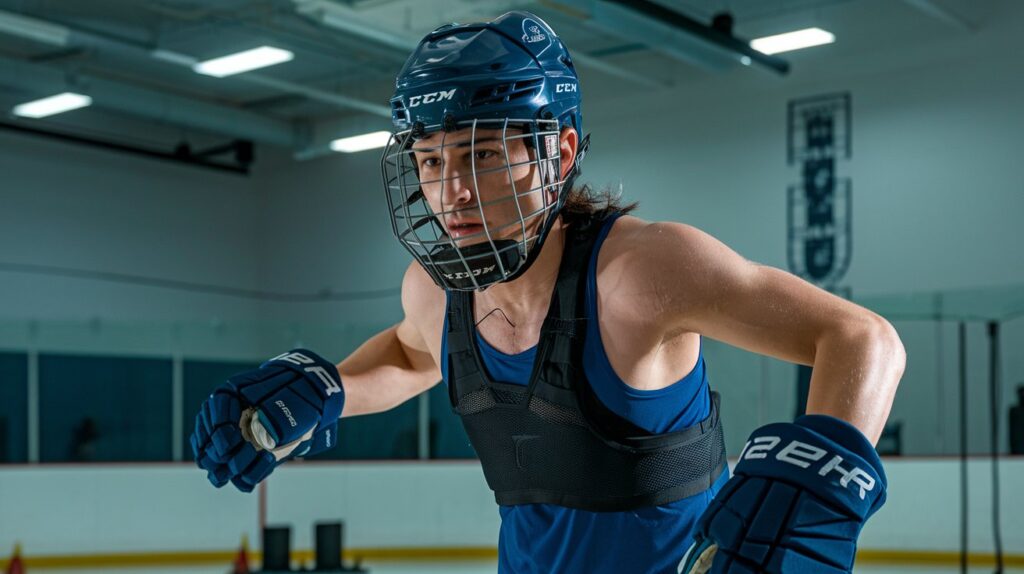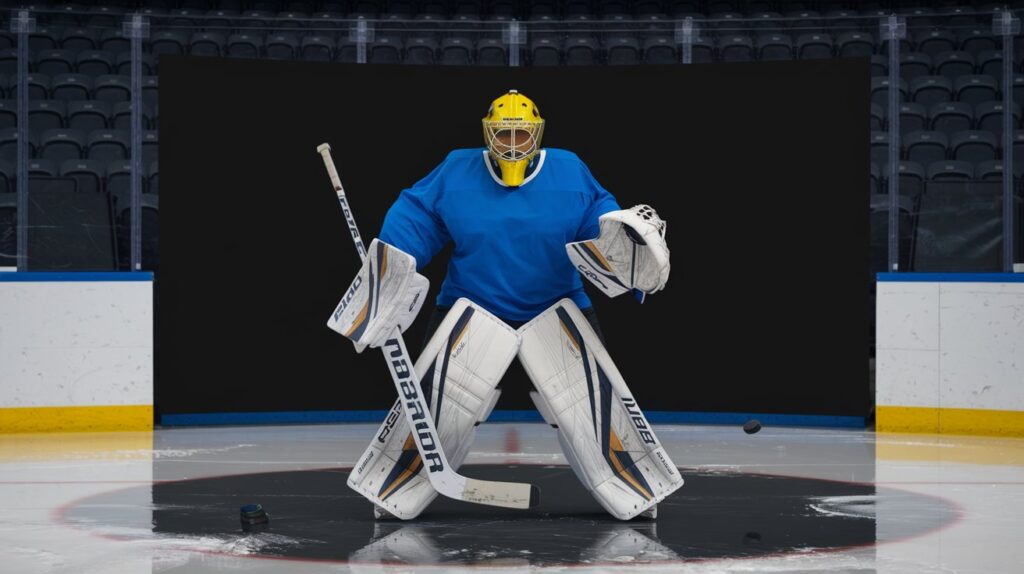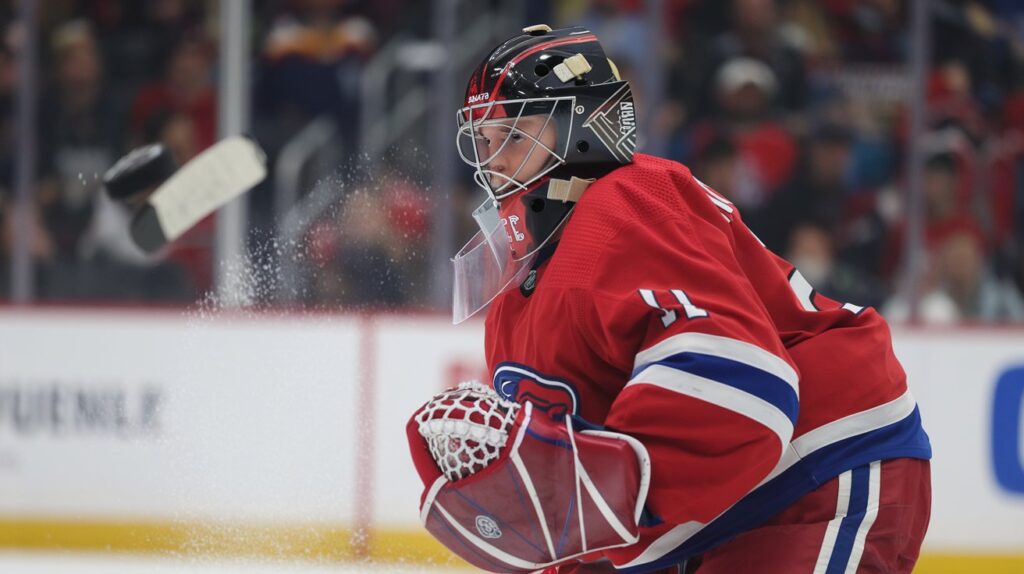
Hockey goalie training has evolved dramatically in 2026, combining advanced biomechanics with position-specific conditioning to develop elite netminders. Whether you’re a beginner learning fundamentals or an experienced goalkeeper refining your craft, systematic training programs now integrate on-ice skills, off-ice conditioning, and mental preparation. This comprehensive guide covers everything from essential hockey goalie training equipment to specialized drills that will transform your performance between the pipes.
Understanding Modern Hockey Goalie Training Fundamentals
Modern hockey goalie training in 2026 emphasizes a holistic approach that addresses technical skills, physical conditioning, and cognitive development. The position demands unique athletic requirements, combining explosive lateral movement with precise tracking abilities and split-second decision-making. Professional training programs now utilize motion-capture technology and video analysis to identify mechanical inefficiencies and optimize movement patterns. According to recent USA Hockey data, goalies who follow structured training programs show 43% faster skill progression compared to those relying solely on team practices.
The foundation of effective goalie development begins with understanding positional fundamentals including stance mechanics, angle play, and rebound control. Elite training institutes across the United States have adopted individualized blueprints that assess each goaltender’s strengths and weaknesses, creating customized development pathways. This personalized approach ensures that goalies receive specific attention to their unique biomechanical patterns, experience level, and competitive goals, maximizing their potential at every stage of development.
Essential Hockey Goalie Training Equipment for 2026
Selecting the right hockey goalie training equipment significantly impacts skill development and injury prevention. In 2026, advanced materials and ergonomic designs have revolutionized goaltender gear, offering better protection while enhancing mobility and performance.
On-Ice Training Equipment
Professional-grade training equipment for on-ice sessions includes specialized shooting targets, reaction balls, and adjustable net attachments that simulate game scenarios. Modern goalies utilize white pucks during certain drills to improve puck tracking abilities under challenging visual conditions. Slide boards and lateral movement trainers help develop the explosive push-offs essential for post-to-post saves. According to equipment manufacturers, 2026 models feature 28% lighter padding materials that maintain protection standards while improving mobility. Investing in quality gear appropriate for your skill level ensures proper technique development and reduces injury risk during intensive training sessions.
Off-Ice Training Equipment
Effective hockey goalie training off-ice requires specific equipment including reaction balls, balance boards, resistance bands, and agility ladders. Medicine balls ranging from 6 to 15 pounds develop core strength essential for explosive movements. Synthetic ice tiles allow goalies to practice slides and movements at home without ice access. Vision training tools including strobe glasses and tracking apps improve visual processing speed by up to 34% according to 2026 sports science research. Foam rollers and stretching equipment support recovery and flexibility, crucial for preventing the common hip and groin injuries that affect goalies. A comprehensive off-ice setup enables year-round development regardless of ice availability.
Hockey Goalie Training for Beginners: Building Strong Foundations
Starting hockey goalie training for beginners requires establishing proper fundamentals before advancing to complex techniques. New goalies should focus on mastering the basic stance, which involves a balanced position with feet shoulder-width apart, knees bent, and weight distributed evenly. The ready position enables quick reactions in any direction and serves as the foundation for all goaltending movements. Beginning training programs typically dedicate 60-70% of practice time to stance repetition and basic movement patterns, ensuring muscle memory development before introducing shot-stopping techniques.
Progressive skill development for beginners follows a structured pathway starting with stationary saves, then advancing to lateral movements, and finally incorporating angle play. Youth hockey goalie training programs in the United States emphasize fun, engagement, and gradual complexity increases to maintain motivation. Coaches recommend beginners practice 2-3 times weekly with sessions lasting 45-60 minutes to prevent burnout while ensuring adequate repetition. Introduction to game situations should occur only after fundamental movements become automatic, typically requiring 8-12 weeks of focused training for young goalies to establish reliable basics.
Advanced Hockey Goalie Drills and Techniques
Elite hockey goalie drills challenge experienced netminders with complex scenarios that replicate high-pressure game situations. Advanced training incorporates multi-puck drills, screen scenarios, and rapid-fire sequences that test reaction time and recovery speed.
Butterfly and Recovery Drills
The butterfly technique remains fundamental for modern goalies, requiring explosive leg drive and quick recovery abilities. Effective drills include butterfly slides across the crease, alternating butterfly drops with rapid stands, and post-integration movements. Training programs emphasize maintaining upper body position during drops to ensure proper five-hole coverage. Recovery speed drills using resistance bands develop the leg strength necessary for consecutive saves, with elite goalies achieving recovery times under 0.8 seconds in 2026 performance testing. Incorporating these drills three times weekly improves muscle endurance and technique consistency during extended game action when fatigue typically compromises form.
Breakaway and Shootout Training
Breakaway situations demand exceptional patience, angle management, and commitment timing. Specialized training drills simulate various shooter approaches, teaching goalies to read body language and stick positioning. Progressive breakaway training starts with stationary shooters, advances to slow approaches, and culminates in full-speed game simulations. Mental preparation techniques including visualization and breathing exercises help goalies maintain composure during these high-stakes scenarios. Statistical analysis from 2026 NHL data shows goalies who dedicate 15% of practice time to breakaway-specific training improve their save percentage on these plays by an average of 11 points, making this specialized training crucial for competitive advantage.
Hockey Goalie Training at Home: Maximizing Development
Effective hockey goalie training at home enables consistent skill development without requiring ice access. Home training programs focus on flexibility, strength, reaction time, and mental preparation, all crucial components of elite goaltending. Goalies can establish dedicated training spaces in garages or basements with minimal equipment investment, ensuring year-round progression regardless of facility availability or weather conditions. Studies from 2026 indicate that goalies incorporating structured home training 4-5 times weekly show 37% greater improvement in measured athleticism compared to those training exclusively on ice.
At-home routines should include dynamic stretching for hip mobility, core strengthening exercises, and reaction drills using tennis balls or reaction balls against walls. Vision training apps available on smartphones and tablets improve puck tracking abilities through gamified exercises that enhance visual processing speed. Goalies can practice stance holds, lateral shuffles on carpet or synthetic ice, and glove-hand reactions using simple ball tosses. Mental training through game footage review, visualization exercises, and meditation builds the psychological resilience necessary for handling pressure. Comprehensive training at home complements on-ice sessions, creating well-rounded development that addresses all performance aspects of the demanding goalie position.
Off-Ice Conditioning for Hockey Goalies
Strategic hockey goalie training off-ice develops the physical attributes that separate good goalies from elite performers. Modern conditioning programs emphasize explosive power, lateral speed, flexibility, and endurance specific to goaltending demands.
Strength and Power Development
Lower body strength training for goalies focuses on exercises that build explosive pushing power including squats, lunges, and single-leg deadlifts. Hip strength and stability exercises prevent common injuries while improving lateral movement efficiency. Upper body training emphasizes shoulder stability and core rotational strength for puck handling and recovery movements. Plyometric exercises including box jumps, lateral bounds, and medicine ball throws develop the explosive power necessary for rapid post-to-post movements. Progressive overload principles ensure continuous improvement, with training programs typically scheduling strength sessions 3-4 times weekly during off-season and 2-3 times during competitive seasons to maintain gains without compromising recovery.
Flexibility and Mobility Work
Superior flexibility represents a competitive advantage for goalies, enabling deeper butterfly positions and wider save coverage. Dynamic stretching routines before training prepare muscles for intense activity, while static stretching post-workout improves overall range of motion. Hip flexor stretches, groin stretches, and thoracic spine mobility exercises address the specific flexibility demands of goaltending. Yoga and Pilates programs designed for hockey athletes have gained popularity in 2026, with 64% of collegiate goalies incorporating these practices into weekly routines. Dedicated flexibility work 5-6 days weekly prevents injuries, enhances save reach, and extends career longevity by reducing wear on joints and connective tissues common in this physically demanding position.
Professional Hockey Goalie Training Programs and Camps
Specialized training programs and camps provide intensive skill development under expert instruction, accelerating goalie progression through focused attention and high-repetition environments. Professional goalie schools across the United States offer programs ranging from weekend clinics to full-season development academies. These institutes employ former professional goalies and certified coaches who understand the nuanced technical requirements of the position. Typical programs include video analysis, individualized skill assessments, position-specific conditioning, and mental performance training. According to 2026 enrollment data, participation in structured goalie programs has increased 28% over the past five years as families recognize the specialized nature of goalie development.
Elite goalie camps provide immersive training experiences with multiple daily sessions focusing on technique refinement, game situation practice, and competitive scrimmages. Summer camps typically run 3-5 days with 15-20 hours of total ice time, supplemented by off-ice training and classroom instruction. Private and semi-private training options offer personalized attention for goalies requiring specific technical corrections or accelerated development. Team training programs work with entire goalie groups from organizations, ensuring consistent teaching methodology and competitive internal development. Investment in professional training programs ranges from $200 for weekend clinics to $5,000+ for comprehensive seasonal academies, with many families considering this essential for goalies pursuing collegiate or professional aspirations.
Mental Training and Game Preparation for Goalies
Mental preparation separates competent goalies from elite performers, as the position demands exceptional focus, resilience, and confidence under pressure. Cognitive training programs in 2026 utilize neurofeedback technology, meditation apps, and sports psychology techniques specifically designed for goaltenders. Visualization exercises help goalies mentally rehearse scenarios, improving reaction patterns and decision-making speed during actual games. Pre-game routines establish consistent mental states that optimize performance, while post-game reflection processes facilitate learning from both successes and mistakes without emotional interference.
Handling adversity represents a crucial mental skill for goalies, who must maintain composure after allowing goals while their performance directly impacts team outcomes. Breathing techniques and mindfulness practices help manage in-game stress and reset focus between plays. Confidence-building exercises including highlight video reviews and positive self-talk scripts combat the negative thinking patterns that can undermine performance. Sports psychologists specializing in hockey work with goalies on attention control, managing performance anxiety, and developing the mental toughness required for this uniquely challenging position. Research indicates goalies incorporating structured mental training show 23% better save percentages in high-pressure situations compared to those focusing exclusively on physical skills.
Age-Appropriate Training Progressions for Youth Goalies
Youth hockey goalie training must align with developmental stages, ensuring age-appropriate skill introduction while building long-term athleticism. Training for 6-8 year old beginners emphasizes fun, basic positioning, and stopping simple shots without overwhelming technical instruction. Sessions lasting 30-40 minutes maintain attention spans while providing adequate repetition for learning.
Training for Ages 9-12
Pre-adolescent goalies benefit from increased technical instruction covering butterfly mechanics, angle play fundamentals, and basic rebound control. Training frequency increases to 3-4 sessions weekly with 60-minute durations as attention spans and physical capacity develop. Introduction to competitive situations occurs gradually, with coaches emphasizing effort and improvement over results to maintain motivation. Off-ice training incorporates basic strength exercises using bodyweight and light resistance, focusing on proper movement patterns rather than heavy loads. This age group develops foundational habits that influence their entire goaltending career, making quality coaching and positive experiences essential for long-term success and continued participation in the position.
Training for Ages 13-18
Adolescent hockey goalie training intensifies with advanced technical refinement, position-specific strength development, and competitive mental preparation. Training programs for this age group often include 5-6 weekly sessions combining on-ice skill work, off-ice conditioning, and flexibility training. Video analysis becomes a regular tool for identifying mechanical improvements and studying opposing shooters. Introduction to professional-level concepts including reads, pre-shot movement, and advanced angle management prepares serious goalies for junior and collegiate competition. Strength training programs become more sophisticated with progressive resistance protocols designed specifically for goaltending demands. This critical development period determines whether goalies possess the skills and commitment for higher-level competition, making comprehensive training essential for those with competitive aspirations.
Common Training Mistakes and How to Avoid Them
Many developing goalies fall into predictable training traps that limit progress and increase injury risk. Over-training represents a frequent mistake, with enthusiastic goalies and parents believing more ice time automatically produces better results. However, adequate recovery enables skill consolidation and physical adaptation, making strategic rest as important as training volume. Experts recommend limiting young goalies to 4-5 ice sessions weekly with at least one full rest day to prevent burnout and overuse injuries that plague the position.
Neglecting off-ice conditioning creates athletic deficiencies that limit on-ice performance potential. Many goalies focus exclusively on technical skills while ignoring the strength, flexibility, and conditioning that enable proper execution under fatigue. Poor equipment fitting compromises both safety and technique development, as improperly sized gear restricts movement and creates compensatory patterns. Insufficient mental training leaves goalies unprepared for the psychological demands of competitive play, where confidence and focus determine success as much as physical ability. Avoiding these common mistakes requires balanced training programs addressing all performance aspects while respecting individual developmental readiness and recovery needs for sustainable long-term improvement.
Nutrition and Recovery for Hockey Goalies
Optimal nutrition fuels the demanding energy requirements of goalie training while supporting recovery and adaptation. Goalies require balanced macronutrient intake with emphasis on lean proteins for muscle repair, complex carbohydrates for sustained energy, and healthy fats for hormone production and joint health. Hydration significantly impacts reaction time and focus, with performance declining measurably at just 2% dehydration levels according to 2026 sports science research. Pre-training meals should provide easily digestible energy 2-3 hours before sessions, while post-training nutrition within 30 minutes optimizes recovery and muscle protein synthesis.
Strategic recovery practices including sleep optimization, active recovery sessions, and soft tissue work prevent the accumulated fatigue that degrades performance and increases injury susceptibility. Goalies should target 8-10 hours of quality sleep nightly during intensive training periods, as sleep directly impacts reaction time, decision-making, and physical recovery. Foam rolling, massage therapy, and contrast water therapy reduce muscle soreness and improve flexibility between sessions. Monitoring training load through heart rate variability and subjective wellness assessments helps identify when additional recovery is necessary. Comprehensive attention to nutrition and recovery enables goalies to sustain high training volumes while continuing performance improvement, creating the consistency necessary for reaching elite levels in this demanding position.
Related video about hockey goalie training
This video complements the article information with a practical visual demonstration.
Essential Q&A about hockey goalie training
How to train for hockey goalie positions effectively?
Effective hockey goalie training combines on-ice technical skill development with off-ice conditioning and mental preparation. Begin with fundamental stance mechanics and basic movements before progressing to advanced techniques. Include 3-4 on-ice sessions weekly focusing on positioning, angle play, and save techniques. Supplement with off-ice training including strength work, flexibility exercises, and reaction drills. Video analysis helps identify mechanical improvements. Mental training through visualization and game preparation routines completes comprehensive development. Age-appropriate progressions ensure proper skill building without overwhelming developing goalies.
What is the best training for a goalkeeper in hockey?
The best training for hockey goalkeepers follows a holistic approach addressing technical skills, physical conditioning, and mental preparation. On-ice work should emphasize proper butterfly mechanics, lateral movement efficiency, and game situation repetitions. Off-ice conditioning develops explosive power, flexibility, and endurance through targeted exercises. Quality instruction from experienced goalie coaches ensures proper technique development. Individualized programs addressing specific weaknesses produce faster improvement than generic approaches. Consistency matters more than volume, with 4-5 total training sessions weekly providing optimal development while allowing adequate recovery.
Do goalies train with white pucks for better tracking?
Yes, many goalies incorporate white pucks into training sessions to improve puck tracking abilities under challenging visual conditions. White pucks blend with ice and boards, forcing goalies to enhance focus and tracking precision. This training method develops sharper visual skills that translate to improved performance with regulation black pucks during games. However, white puck training should supplement rather than replace standard practice, typically comprising 10-15% of shooting drills. The increased difficulty strengthens visual processing abilities and concentration, particularly beneficial for goalies struggling with puck tracking consistency.
What hockey goalie training equipment is essential for beginners?
Beginning goalies require properly fitted protective equipment including leg pads, chest protector, blocker, glove, helmet, and pants. Basic training tools include shooting targets for accuracy work, reaction balls for hand-eye coordination, and slide boards for movement development. Off-ice equipment should include resistance bands, balance boards, and foam rollers for conditioning and recovery. As skills progress, additions like synthetic ice tiles for home practice and specialized vision training tools enhance development. Quality equipment fitting is crucial, as improperly sized gear restricts movement and creates poor technique habits. Investment should prioritize safety and proper fit over advanced features.
How can hockey goalies train effectively at home?
Hockey goalie training at home focuses on flexibility work, core strengthening, reaction drills, and mental preparation. Establish routines including dynamic stretching for hip mobility, bodyweight exercises for strength, and reaction ball work against walls. Synthetic ice tiles enable movement practice without ice access. Vision training apps improve puck tracking abilities. Video analysis of game footage and visualization exercises develop mental skills. Dedicate 30-45 minutes daily to home training, focusing on areas difficult to address during team practices. Consistent home work complements on-ice sessions, creating well-rounded development and faster skill progression for dedicated goalies.
What makes hockey goalie the toughest position in the sport?
The goalie position is considered hockey’s toughest due to unique physical, mental, and technical demands. Goalies face 80-100 mph shots requiring split-second reactions while wearing restrictive equipment. The position demands exceptional flexibility, explosive power, and endurance combined with precise technical execution. Mental pressure is immense, as goalie mistakes directly result in goals while excellent play often goes unnoticed. Isolation during games creates psychological challenges unlike other positions. The specialized nature requires dedicated position-specific training separate from team practices. Physical toll from repetitive butterfly drops and shot blocking leads to high injury rates, making this position uniquely demanding across all sports.
| Training Component | Key Focus Areas | Expected Benefits |
|---|---|---|
| On-Ice Technical Training | Butterfly mechanics, angle play, rebound control, lateral movement, shot-stopping techniques | Improved save percentage, better positioning, enhanced game performance |
| Off-Ice Conditioning | Explosive power, hip flexibility, core strength, lateral speed, endurance development | Injury prevention, increased athleticism, sustained performance through games |
| Mental Preparation | Visualization, confidence building, focus techniques, adversity management, pre-game routines | Better performance under pressure, faster recovery from mistakes, competitive resilience |
| Equipment Selection | Proper fitting, position-specific tools, training aids, protective gear, recovery equipment | Enhanced safety, optimized technique development, effective home training capability |
| Nutrition & Recovery | Balanced macronutrients, hydration, sleep optimization, active recovery, soft tissue work | Sustained energy, faster adaptation, reduced injury risk, consistent performance |
| Professional Programs | Expert coaching, video analysis, camps, private training, competitive environments | Accelerated skill development, personalized feedback, pathway to higher competition levels |