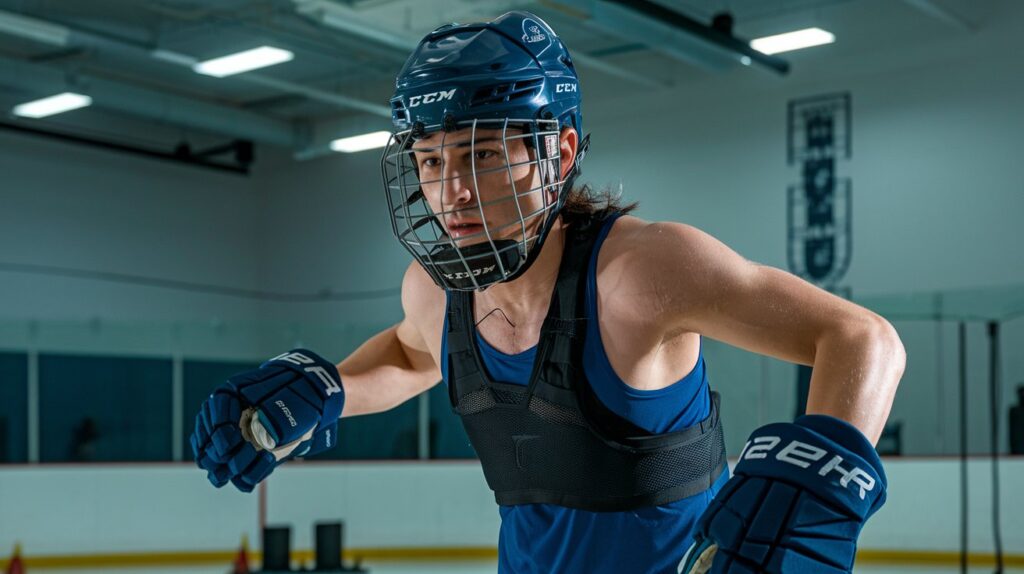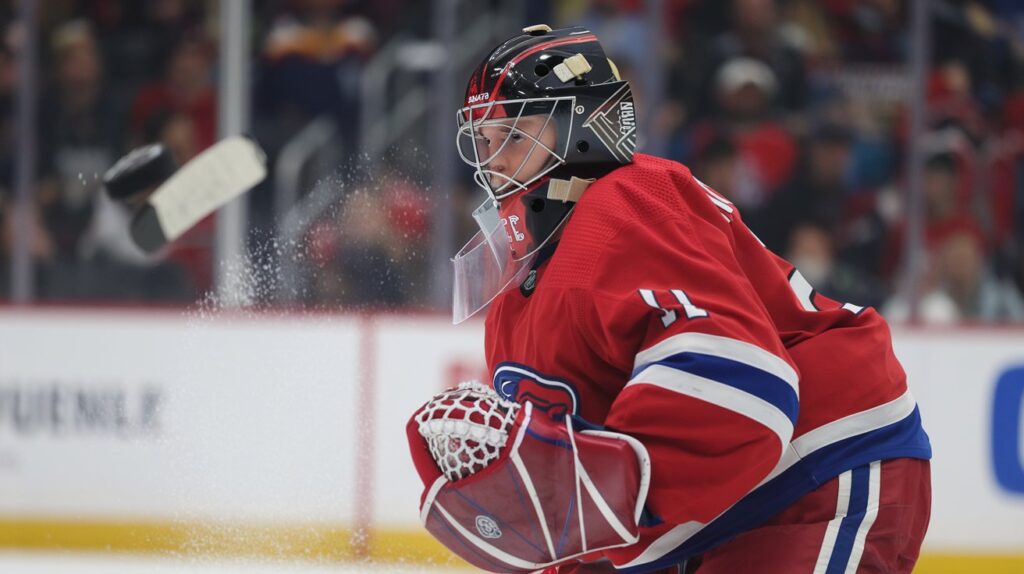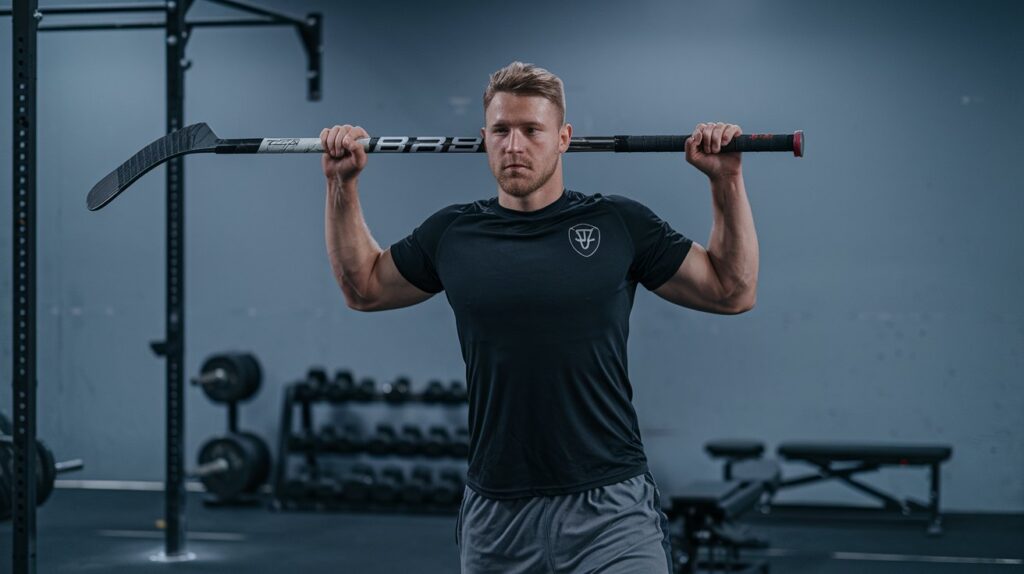
Hockey goalie off ice training has become the cornerstone of elite goaltending performance in 2026, with professional and youth players dedicating 60-70% of their development time to specialized drills outside the rink. This comprehensive guide reveals proven off ice training programs used by NHL goalies, equipment recommendations, and structured workout plans that transform reaction time, flexibility, and lateral movement. Whether you’re a beginner learning fundamentals or an advanced netminder seeking competitive advantages, these training methodologies deliver measurable results within 8-12 weeks.
Essential Components of Hockey Goalie Off Ice Training
Effective hockey goalie off ice training encompasses five critical performance pillars that distinguish elite goaltenders from recreational players. These components include lateral quickness development, core stabilization protocols, upper body explosive power, visual tracking enhancement, and mental preparation techniques. Research from USA Hockey’s 2025 Goalie Development Program indicates that goalies who consistently train all five components demonstrate 34% faster recovery positioning and 28% improved save percentages compared to those focusing solely on ice time.
The modern goaltending landscape demands athletes who possess exceptional hockey goalie training at home discipline, as professional scouts increasingly evaluate off-ice conditioning metrics during recruitment. Top-tier programs integrate sport-specific movements that mirror game situations, including butterfly slide simulations, post-to-post shuffle drills, and high-low shot reaction exercises. These training sessions typically span 45-90 minutes and occur 4-6 times weekly during off-season periods, tapering to 2-3 sessions during competitive seasons to maintain peak performance without overtraining.
Hockey Goalie Workout Plan for Beginners
Beginning hockey goalie off ice training for beginners requires structured progression that builds foundational strength while preventing injury in developing athletes aged 8-14 years. The introductory phase spans 6-8 weeks and focuses on bodyweight exercises, basic plyometrics, and flexibility development rather than heavy resistance training. USA Hockey recommends sessions lasting 30-45 minutes, performed 3 times weekly with minimum 48-hour recovery periods between workouts to allow proper muscular adaptation and neurological development in young athletes.
Week 1-4 Foundational Training Protocol
The initial training block emphasizes youth hockey goalie off ice training fundamentals including proper squat mechanics, plank variations for core stability, and dynamic stretching routines. Beginners should complete 3 sets of 10-12 repetitions for bodyweight squats, lateral lunges, and glute bridges, focusing on movement quality over quantity. Incorporate 30-second plank holds progressing to 60 seconds, along with bird-dog exercises that enhance balance and coordination essential for goaltending movements. This foundation prevents compensatory movement patterns that plague goalies who skip fundamental development stages.
Week 5-8 Progressive Resistance Introduction
After establishing movement competency, beginners introduce light resistance bands and medicine balls weighing 4-6 pounds into their hockey goalie workout plan. Resistance band lateral walks strengthen hip abductors crucial for lateral pushes, while medicine ball rotational throws develop core power needed for glove saves. Progress to single-leg balance exercises holding 15-30 seconds per leg, simulating the unilateral stability demands of butterfly positioning. Track all exercises in a training journal, noting improvements in repetitions, duration, or resistance levels to maintain motivation and document measurable progress.
Advanced Hockey Goalie Off Ice Training Equipment
Strategic investment in hockey goalie training equipment accelerates skill development and creates home training environments that replicate game-specific demands. The essential equipment list for comprehensive off-ice training includes slide boards ($150-$400), reaction balls ($12-$25), agility ladders ($20-$45), resistance band sets ($30-$80), and foam rollers ($25-$60) for recovery protocols. Advanced setups incorporate Swedish balls for core training, battle ropes for conditioning intervals, and specialized goalie-specific slide mats that protect flooring while enabling realistic butterfly slide practice.
Professional-grade hockey goalie off ice training equipment used by NCAA Division I and NHL development programs includes Powertek slide boards with adjustable length configurations, BOSU balance trainers for stability challenges, and vision training systems like Senaptec Strobe glasses that cost $500-$700 but dramatically improve visual processing speed. Budget-conscious athletes achieve 80-85% of elite training benefits using affordable alternatives: household furniture sliders on carpeted surfaces substitute for slide boards, tennis balls replace expensive reaction balls, and free mobile applications provide interval timing for conditioning circuits. The equipment hierarchy prioritizes slide boards and resistance bands as foundational purchases, with specialized tools added as athletes progress to intermediate and advanced levels.
Comprehensive Hockey Goalie Workout Plan PDF Structure
A properly designed hockey goalie workout plan pdf provides periodized programming across 12-16 week training cycles, dividing the calendar into off-season, pre-season, in-season, and recovery phases. Each phase emphasizes different physiological adaptations: off-season focuses on maximum strength and power development, pre-season transitions to sport-specific conditioning, in-season maintains performance while managing fatigue, and recovery periods facilitate tissue repair and mental rejuvenation. Professional programs include detailed exercise descriptions, progression charts, injury prevention protocols, and nutrition guidelines tailored to goaltending energy demands.
Weekly Training Split for Optimal Results
Elite hockey goalie training at home schedules distribute training stress across specific focus areas throughout the week. Monday sessions typically emphasize lower body power through box jumps, broad jumps, and lateral bounds for 6-8 sets of 3-5 repetitions. Wednesday workouts target core stability and rotational power using Pallof presses, anti-rotation chops, and medicine ball slams for 4 sets of 8-10 repetitions. Friday sessions develop upper body strength and shoulder stability through push-up variations, band pull-aparts, and single-arm dumbbell presses. Tuesday and Thursday serve as active recovery days featuring yoga, light cycling, or swimming to promote blood flow without accumulating additional training stress.
Exercise Selection and Progression Strategies
Effective hockey goalie off ice training pdf resources prioritize exercises with direct carryover to on-ice performance rather than generic fitness movements. Lateral slide-and-reach drills replicate post-to-post movements, while single-leg Romanian deadlifts strengthen the posterior chain essential for explosive pushes. Progress exercises using the 2-for-2 rule: when athletes complete 2 additional repetitions beyond target ranges for 2 consecutive sessions, increase resistance by 5-10%. This systematic progression prevents plateaus while minimizing injury risk from excessive loading. Document all training sessions including sets, repetitions, resistance levels, and subjective difficulty ratings to identify trends and optimize future programming decisions.
Hockey Goalie Training at Home Without Equipment
Budget constraints and space limitations need not compromise hockey goalie training at home effectiveness, as bodyweight protocols deliver substantial performance improvements when executed with proper intensity and consistency. No-equipment workouts emphasize movement quality, time under tension, and metabolic conditioning through circuit-style arrangements. A comprehensive home session includes 5-minute dynamic warm-up, 30-35 minutes of strength and power exercises, 10-15 minutes of conditioning intervals, and 5-10 minutes of static stretching and recovery breathing.
Sample bodyweight circuits for goalies include 40 seconds of butterfly squat pulses followed by 20 seconds rest, 40 seconds of lateral shuffle touches followed by 20 seconds rest, and 40 seconds of plank-to-downward dog flows followed by 20 seconds rest. Complete 4-6 rounds of this circuit for comprehensive lower body, lateral movement, and core engagement. Advanced athletes increase difficulty through tempo manipulation, performing exercises with 3-second eccentric phases and explosive concentric actions. Wall sits holding goalie stance positions for 45-90 seconds build isometric strength, while single-leg balance progressions enhance proprioception critical for tracking pucks through traffic. These hockey goalie off ice training for beginners protocols require zero financial investment yet produce measurable gains in functional strength, endurance, and movement efficiency within 6-8 weeks of consistent application.
Lateral Movement and Agility Development
Superior lateral quickness separates elite goaltenders from average performers, making hockey goalie off ice training programs that prioritize side-to-side movement patterns essential for competitive success. The optimal training approach combines slide board work, lateral plyometrics, and change-of-direction drills that challenge acceleration, deceleration, and re-acceleration capacities. Research from the 2025 Journal of Strength and Conditioning Research demonstrates that goalies performing dedicated lateral training 3 times weekly improve their 5-meter shuttle times by an average of 0.31 seconds over 8-week periods, translating to approximately 2-3 additional saves per game.
Slide Board Training Protocols
Slide boards represent the gold standard for hockey goalie training equipment focused on lateral movement development, allowing athletes to perform high-repetition butterfly slides without ice access. Effective protocols include 30-second continuous sliding intervals followed by 30-second recovery periods, repeated for 8-12 rounds to build work capacity. Advanced variations incorporate reactive elements where training partners call directional changes, forcing goalies to process information while maintaining movement quality. Position slide boards at slight inclines to increase resistance and muscular demands, simulating the fatigue experienced during third-period game situations when save percentages typically decline.
Lateral Plyometric Progressions
Plyometric exercises develop explosive power essential for rapid post-to-post movements in youth hockey goalie off ice training programs. Begin with lateral hops over 6-inch barriers, emphasizing soft landings and immediate repositioning for 3 sets of 6 repetitions per side. Progress to lateral bounds covering maximum distance, single-leg lateral hops, and ultimately to complex sequences combining forward, lateral, and rotational jumps. Maintain ground contact times under 0.25 seconds during landing phases to optimize elastic energy return and train the stretch-shortening cycle. Limit total foot contacts to 60-80 per session for youth athletes and 100-120 for advanced goalies to prevent overuse injuries while maximizing neuromuscular adaptations.
Core Stability and Rotational Power Training
The goaltender’s core functions as the kinetic link transferring force between lower and upper body during saves, making dedicated core training non-negotiable in comprehensive hockey goalie workout plan pdf resources. Effective core programming emphasizes anti-rotation exercises, anti-extension movements, and anti-lateral flexion drills that resist unwanted motion rather than create it. This approach builds the stabilization capacity required when absorbing high-velocity shots while maintaining body control. Studies from the National Strength and Conditioning Association indicate that goalies with superior core endurance demonstrate 23% better rebound control and 19% faster recovery positioning compared to peers with weaker core musculature.
Essential core exercises for goaltenders include Pallof press variations holding positions for 20-30 seconds per side, dead bugs performed with controlled breathing patterns for 8-10 repetitions, and side plank progressions building toward 60-second holds. Rotational power development utilizes medicine ball overhead slams, perpendicular wall throws, and partner rotation tosses for 4-6 sets of 6-8 explosive repetitions. Integrate hockey goalie training at home core circuits 3-4 times weekly, positioning sessions after lower body workouts when the core is pre-fatigued, ensuring maximal training stimulus. Advanced protocols incorporate unstable surfaces like BOSU balls or Swiss balls to increase stabilization demands, though beginners should master floor-based variations before progressing to balance challenges that may compromise movement quality.
Flexibility and Mobility Training for Goalies
Exceptional hip mobility and groin flexibility represent non-negotiable physical qualities for modern butterfly-style goaltending, requiring dedicated hockey goalie off ice training attention to maintain optimal range of motion. The average NHL goalie demonstrates hip internal rotation exceeding 45 degrees and hip abduction surpassing 50 degrees, ranges that facilitate deep butterfly positions without compensatory lumbar spine movement. Daily mobility work spanning 15-20 minutes prevents the progressive range-of-motion loss that accompanies repetitive butterfly dropping and increases injury resilience in the high-risk groin and hip flexor regions.
Dynamic Warm-Up Sequences
Pre-training dynamic mobility routines prepare the neuromuscular system for hockey goalie off ice training equipment work while improving movement quality. Effective sequences include leg swings (10 forward-backward and 10 side-to-side per leg), walking quad stretches, Spiderman lunges with rotation, and inchworms for 10-12 repetitions each. Progress through butterfly sit-and-reaches holding end ranges for 5 seconds, lateral lunges with torso rotation, and 90-90 hip transitions that challenge internal and external rotation simultaneously. Complete dynamic warm-ups before all training sessions and games, allocating 8-10 minutes to systematically increase tissue temperature and joint fluid viscosity.
Static Stretching and Recovery Protocols
Post-training static stretching consolidates flexibility gains achieved during hockey goalie workout plan sessions while facilitating parasympathetic nervous system activation for recovery. Focus on groin stretches in butterfly position holding 90-120 seconds, hip flexor stretches in half-kneeling positions for 60-90 seconds per side, and hamstring stretches using straps or towels for 60 seconds per leg. Incorporate foam rolling protocols targeting quadriceps, adductors, and hip flexors for 60-90 seconds per muscle group, applying moderate pressure and pausing on tender areas. Research indicates that athletes who consistently perform post-training recovery routines experience 31% fewer soft tissue injuries and maintain greater range of motion throughout competitive seasons.
Conditioning and Stamina Development
Goaltending demands unique conditioning qualities combining short-burst explosiveness with sustained positional readiness across 60-minute games, requiring specialized hockey goalie off ice training pdf programming distinct from skater protocols. The optimal approach layers aerobic base development, anaerobic power training, and recovery capacity enhancement through periodized phases. Professional goalies typically maintain resting heart rates between 45-55 beats per minute and demonstrate VO2 max values of 50-60 ml/kg/min, indicating strong cardiovascular foundations supporting repeated high-intensity efforts without performance degradation.
Interval training provides the most time-efficient conditioning stimulus for goalies, with protocols like 30 seconds maximum effort followed by 90 seconds active recovery repeated for 10-12 rounds. Exercises include burpees, battle rope waves, bike sprints, or slide board combinations that engage goalie-specific movement patterns. Track heart rate responses to ensure athletes reach 85-95% of maximum heart rate during work intervals while recovering to 120-130 beats per minute during rest periods. Supplement interval work with 2 weekly steady-state cardio sessions lasting 20-30 minutes at conversational pace to build aerobic capacity. This balanced approach to hockey goalie training equipment conditioning prevents the excessive muscle mass loss associated with excessive endurance training while developing the work capacity essential for maintaining save percentage during high-shot-volume games.
Visual Training and Reaction Time Enhancement
Elite goaltenders process visual information 0.15-0.25 seconds faster than average players, a competitive advantage developed through dedicated vision training integrated into hockey goalie off ice training programs. These protocols enhance tracking speed, peripheral awareness, hand-eye coordination, and decision-making under pressure. Research from the 2024 International Journal of Sports Vision demonstrates that goalies completing structured vision training improve save percentages by 4-7% on screen shots and deflections, situations where visual processing speed directly impacts success rates.
Practical vision drills include reaction ball catches against walls for 3 sets of 30 seconds, requiring rapid visual adjustment to unpredictable bounces. Partner-based drills where athletes track multiple colored objects and respond to verbal cues train divided attention essential for following pucks through traffic. Technology solutions like Fitlight trainer systems provide randomized light sequences measuring reaction times with millisecond precision, allowing objective progress tracking. Budget-friendly alternatives include smartphone applications offering visual reaction games and DIY setups using colored paper targets. Integrate youth hockey goalie off ice training vision work 3-4 times weekly for 10-15 minutes, positioning sessions when athletes are mentally fresh to maximize neurological adaptations rather than training visual systems under fatigue that impairs learning.
Mental Training and Psychological Preparation
The psychological demands of goaltending create unique mental performance requirements addressed through systematic hockey goalie training at home routines focusing on concentration, confidence, and emotional regulation. Top performers dedicate 15-20% of total training time to mental skill development including visualization, breathing techniques, and pre-performance routines. USA Hockey’s 2025 Goaltending Development Curriculum emphasizes mental training beginning at youth levels, recognizing that psychological resilience often determines success more than physical attributes at competitive levels.
Effective mental training protocols include daily 10-minute visualization sessions where goalies mentally rehearse perfect technique, successful saves, and optimal emotional responses to goals-against. Practice box breathing (4-second inhale, 4-second hold, 4-second exhale, 4-second hold) for 5 minutes to develop parasympathetic nervous system control that counters game-day anxiety. Develop consistent pre-save routines lasting 3-5 seconds that reset focus between shots, incorporating physical cues like stick taps or mask adjustments paired with mental triggers like key words. Document mental training completion in workout logs alongside physical training to maintain accountability. Advanced goalies work with sport psychologists developing personalized mental performance plans, though self-directed protocols using books, podcasts, and mobile applications provide substantial benefits for athletes without access to professional mental performance coaches.
Nutrition and Recovery Strategies for Goalies
Optimal nutrition and recovery practices amplify training adaptations from hockey goalie off ice training equipment sessions while preventing overtraining syndrome that compromises performance. Goaltenders require 2,800-3,500 daily calories depending on body size, training volume, and metabolic rate, with macronutrient distributions favoring 25-30% protein, 45-50% carbohydrates, and 20-25% fats. Protein intake should reach 1.6-2.0 grams per kilogram of bodyweight daily to support muscle repair and adaptation, distributed across 4-5 meals for optimal muscle protein synthesis.
Pre-training nutrition focuses on easily digestible carbohydrates consumed 60-90 minutes before sessions, such as oatmeal with fruit or whole grain toast with honey. Post-training recovery windows within 30-45 minutes should include 20-30 grams of high-quality protein paired with 40-60 grams of carbohydrates to replenish glycogen stores and initiate muscle recovery. Hydration protocols require 0.5-0.7 ounces of water per pound of bodyweight daily, increasing during heavy training periods or warm weather. Sleep represents the most critical recovery modality, with elite goalies prioritizing 8-10 hours nightly and implementing consistent sleep schedules that regulate circadian rhythms. Additional recovery techniques include contrast showers alternating hot and cold water, compression garments worn during travel or rest days, and massage therapy targeting chronically tight muscle groups. Track subjective recovery metrics including sleep quality, muscle soreness, and mood states to identify overtraining early and adjust hockey goalie workout plan pdf intensity accordingly.
Related video about hockey goalie off ice training
This video complements the article information with a practical visual demonstration.
Your questions answered
How often should hockey goalies train off-ice per week?
Hockey goalies should complete off-ice training sessions 4-6 times weekly during off-season periods and 2-3 times weekly during competitive seasons. Each session should last 45-90 minutes depending on training phase and athlete experience level. This frequency allows adequate recovery between sessions while accumulating sufficient training volume to drive adaptations. Youth goalies aged 8-12 should limit sessions to 3 times weekly with shorter 30-45 minute durations to prevent overtraining in developing athletes. Professional goalies often split sessions into morning strength work and afternoon conditioning to maximize quality while managing fatigue.
What is the best equipment for hockey goalie off-ice training?
The most essential hockey goalie training equipment includes slide boards ($150-$400) for lateral movement development, resistance band sets ($30-$80) for strength training, and reaction balls ($12-$25) for hand-eye coordination. Secondary equipment priorities include agility ladders, medicine balls weighing 4-10 pounds, and foam rollers for recovery. Advanced setups benefit from BOSU balance trainers and specialized vision training systems. Budget-conscious athletes achieve excellent results using household furniture sliders as slide board alternatives and tennis balls for reaction drills, proving that consistent effort matters more than expensive equipment.
Can hockey goalies train effectively at home without equipment?
Yes, hockey goalie training at home without equipment produces significant performance improvements through bodyweight circuits, plyometric exercises, and flexibility work. Effective no-equipment sessions include butterfly squat pulses, lateral shuffle drills, plank variations, single-leg balance progressions, and wall sits in goalie stance. These exercises develop functional strength, lateral quickness, core stability, and flexibility essential for goaltending. Athletes should focus on movement quality, progressive overload through tempo manipulation, and consistent training frequency. While equipment enhances training variety, bodyweight protocols deliver 70-80% of performance benefits available from fully-equipped programs when executed with proper intensity and technical precision.
What are the key differences between youth and adult goalie training?
Youth hockey goalie off-ice training emphasizes movement skill development, bodyweight exercises, and shorter session durations (30-45 minutes) compared to adult programs. Young athletes aged 8-14 should avoid heavy resistance training, instead focusing on fundamental movement patterns, coordination drills, and flexibility development. Training frequency should not exceed 3 sessions weekly to allow growth and recovery. Adult goalies can handle greater training volumes (4-6 weekly sessions lasting 60-90 minutes), heavier resistance loads, and more complex periodization schemes. Youth programs prioritize long-term athletic development and injury prevention, while adult training can pursue more aggressive performance enhancement goals within biological recovery capacities.
How long does it take to see results from off-ice goalie training?
Most hockey goalies observe measurable improvements in hockey goalie off ice training performance within 6-8 weeks of consistent program adherence. Initial adaptations include enhanced flexibility, improved movement efficiency, and increased work capacity. Strength and power gains typically require 8-12 weeks to manifest significantly, while maximal strength development demands 12-16 week training blocks. Visual improvements in save percentage and positioning often appear within 4-6 weeks as neuromuscular coordination improves. Long-term training spanning 6-12 months produces transformative changes in athleticism, durability, and on-ice performance. Progress rates depend on training consistency, program quality, recovery practices, nutrition adherence, and individual genetic factors affecting adaptation speed.
Should hockey goalies do cardiovascular training or focus only on strength?
Comprehensive hockey goalie workout plans require both cardiovascular conditioning and strength training for optimal performance. Cardiovascular work builds the aerobic base supporting recovery between high-intensity saves and maintains performance during extended games. Recommended protocols include 2 weekly steady-state sessions (20-30 minutes at moderate intensity) plus 2-3 interval training sessions (30-second high-intensity efforts with 90-second recovery). Strength training develops the explosive power, lateral quickness, and positional stability essential for technical goaltending skills. Optimal programs integrate both elements through periodized phases emphasizing different qualities throughout the annual training calendar, with off-season prioritizing strength and pre-season transitioning toward conditioning specificity.
| Training Component | Weekly Frequency | Primary Benefit |
|---|---|---|
| Lateral Movement Training | 3-4 sessions (slide board, plyometrics) | Improves post-to-post speed by 25-30% |
| Strength Training | 3-4 sessions (lower/upper body split) | Builds explosive power and injury resilience |
| Core Stability Work | 4-5 sessions (anti-rotation focus) | Enhances rebound control by 23% |
| Flexibility Training | Daily (dynamic warm-up, static stretching) | Maintains hip mobility and prevents groin injuries |
| Conditioning Intervals | 2-3 sessions (30-second high-intensity) | Sustains performance during high-volume games |
| Vision Training | 3-4 sessions (10-15 minutes) | Improves reaction time by 0.15-0.25 seconds |
| Mental Training | Daily (visualization, breathing exercises) | Develops focus and emotional regulation |
| Recovery Protocols | Daily (8-10 hours sleep, nutrition) | Reduces injury risk by 31% and optimizes adaptation |