Starting as a hockey goalie can feel overwhelming, but mastering the fundamentals transforms beginners into confident netminders. Whether you’re a youth player or adult learning the position, understanding proper stance, positioning, and movement patterns forms the foundation of effective goaltending. This comprehensive guide covers essential techniques, training drills, and mental strategies that help beginners develop into skilled goalies, with updated methods proven successful across United States hockey programs in 2026.
Understanding the Basic Goalie Stance
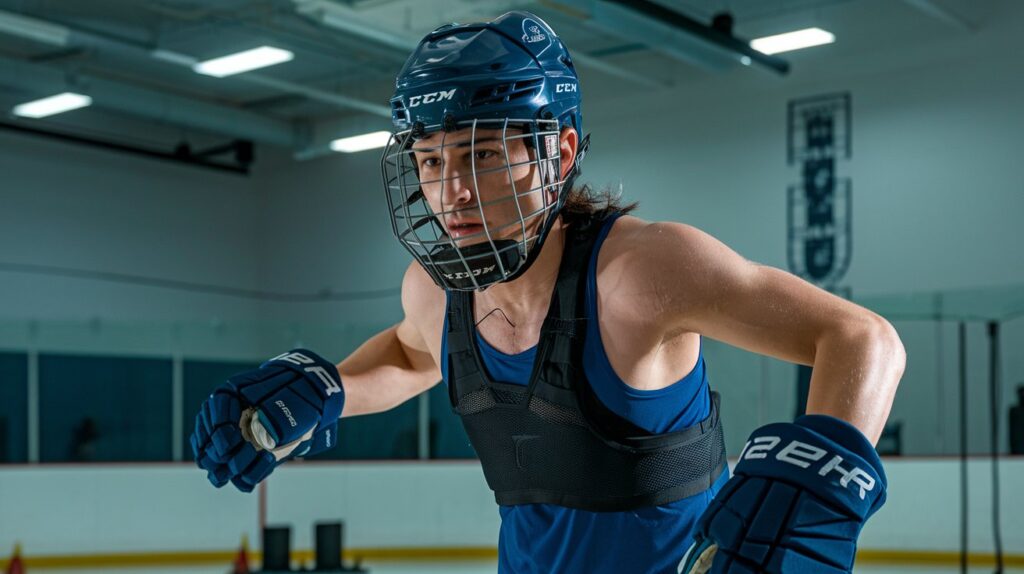
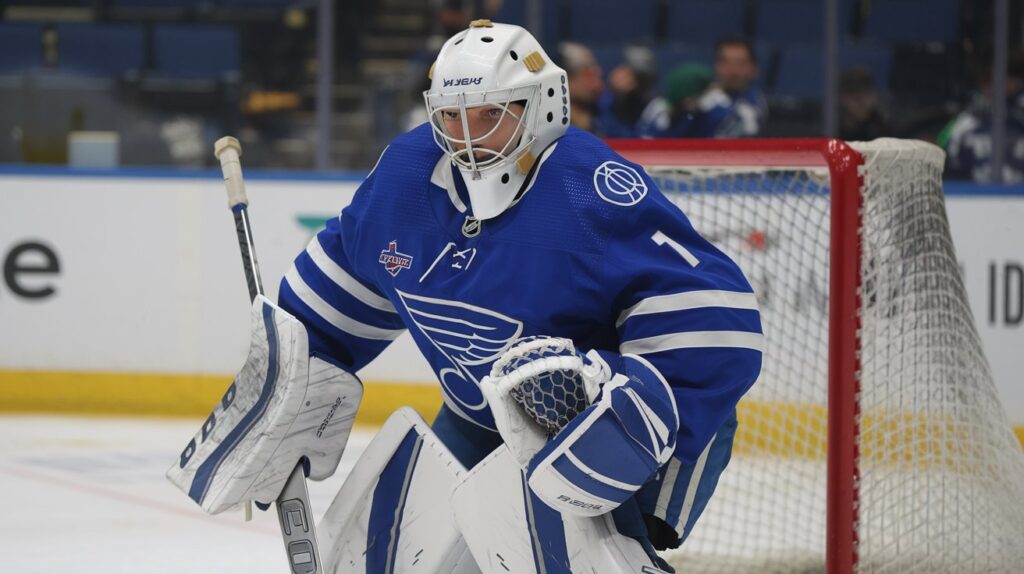
The athletic stance serves as the foundation for every goalie movement and save. Your feet should be positioned shoulder-width apart with knees bent at approximately 90 degrees, creating a powerful base for quick lateral movements. Keep your weight balanced on the balls of your feet rather than your heels, allowing for explosive pushes in any direction. Your chest should face forward with shoulders square to the shooter, while your hands rest comfortably in front of your body at hip height. This ready position enables you to react quickly to shots from any angle.
Modern goaltending in 2026 emphasizes a more upright stance compared to older techniques, with goalies maintaining better visibility and quicker recovery times. Your glove hand should be positioned slightly higher than your blocker, creating a natural catching pocket for high shots. The stick blade must remain flat on the ice, closing the five-hole and providing a barrier for low shots. Practice holding this stance for 30-second intervals during training, gradually building the leg strength and endurance required for game situations. Proper stance becomes automatic through consistent repetition.
Essential Goalie Equipment for Beginners
Selecting appropriate goalie equipment significantly impacts your development and safety on the ice. Beginner goalies should prioritize properly fitted leg pads that match their height, typically measured from the center of the knee to the ice when standing. In 2026, most youth hockey programs in the United States recommend starting with intermediate-level pads rather than entry-level options, as they provide better protection and durability. Your chest protector should cover from the collarbone to below the waist, with arm floaters that don’t restrict shoulder movement during butterfly slides.
The goalie glove and blocker require special attention during selection, as hand size varies significantly among beginners. A properly fitted catching glove closes easily when squeezing, without excess material that slows reaction time. Your blocker should feel like a natural extension of your arm, with the blocking board angled slightly outward to direct rebounds away from dangerous scoring areas. Modern goalie pants feature improved hip and thigh protection compared to previous generations, essential for beginners learning butterfly technique. Budget approximately $1,200 to $2,000 for a complete beginner goalie setup in 2026, with many hockey shops offering package deals.
Mastering Crease Positioning and Angles
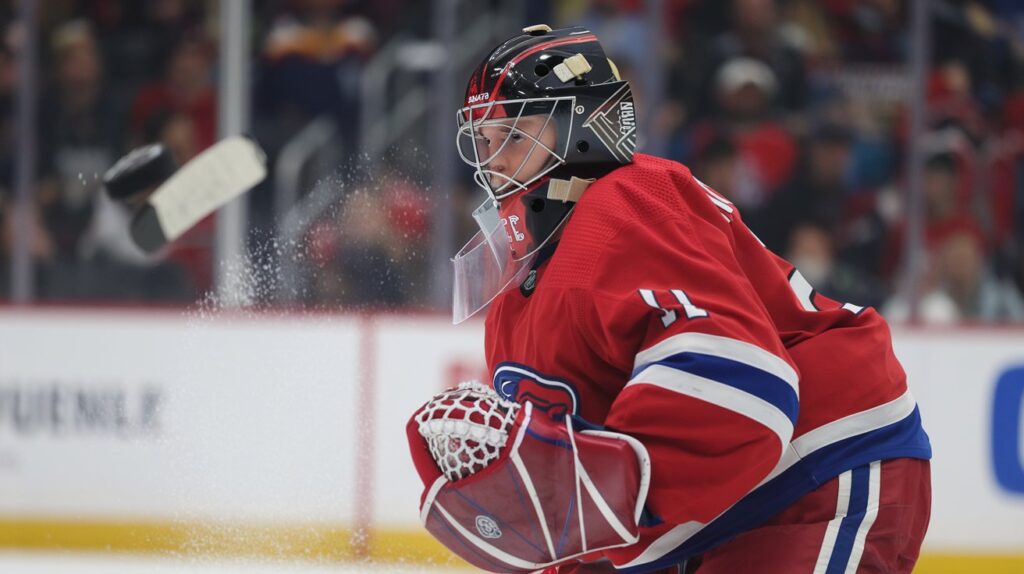
Understanding proper crease positioning separates average goalies from great ones, as correct angles reduce the net opening available to shooters. The fundamental principle involves creating an imaginary line from the puck to the center of the net, then positioning yourself along this line at the appropriate depth. Beginner goalies often make the mistake of staying too deep in the crease, giving shooters more net to target. Instead, challenge shooters by moving out aggressively when they have possession, typically positioning yourself at the top of the crease or beyond for shots from the slot area.
The relationship between puck position and your depth in the crease follows predictable patterns that beginners must memorize. When the puck sits along the goal line or behind the net, stay tight to your posts with one pad against the post and your head turned to track the puck. As the puck moves to the faceoff dots, position yourself approximately two feet from the goal line, maintaining the angle while staying set for quick shots. For shooters in the high slot or point positions, aggressive goalies may push out three to four feet from the crease, cutting down angles dramatically. Practice these positioning concepts during every practice session, using cones or markers to identify optimal depths for various shooting positions around the offensive zone.
The Butterfly Technique for Shot Blocking
The butterfly technique revolutionized modern goaltending and remains the primary save selection for low and mid-height shots in 2026. Executing a proper butterfly involves dropping both knees to the ice simultaneously while keeping your chest upright and stick blade flat on the ice between your pads. Your leg pads should create a seamless barrier across the bottom of the net, with inner edges touching to eliminate the five-hole. The key difference between beginner and advanced butterfly technique lies in pad rotation, with experienced goalies achieving 90-degree pad rotation that maximizes coverage area.
Common butterfly mistakes among beginners include dropping too early before identifying shot trajectory, leaning forward excessively which creates openings over the shoulders, and failing to recover quickly after the initial save. Focus on keeping your hands active even while in butterfly position, with your glove ready to catch high shots and your blocker protecting the short side. Modern goalie coaches emphasize the importance of explosive leg drive when executing the butterfly, pushing your knees outward rather than simply dropping straight down. This technique, called the drive butterfly, provides better coverage and quicker recovery times for subsequent shots during scrambles in front of the net.
Skating and Movement Fundamentals for Goalies
Efficient goalie skating enables quick repositioning across the crease and proper angle adjustments as play develops. The shuffle movement serves as your primary lateral technique, keeping you square to shooters while moving side to side. Execute shuffles by pushing off your outside leg while keeping both skates on the ice, maintaining your athletic stance throughout the movement. Your stick should glide along the ice during shuffles, never lifting and creating potential five-hole openings. Practice shuffle drills by moving post-to-post repeatedly, focusing on maintaining proper stance and balance through the entire movement pattern.
The T-push technique allows for explosive movements covering greater distances when shooters attack from different angles quickly. This advanced movement involves turning one skate perpendicular to create a T-shape, then pushing powerfully off that skate while driving toward your target position. Beginner goalies should master basic shuffles before incorporating T-pushes into their movement repertoire. Backward skating proves essential for goalies who play the puck or must retreat quickly when opposing forwards gain the offensive zone with speed. Dedicate at least 15 minutes of each practice session to skating-specific drills, as improved mobility directly translates to better positioning and more saves during games.
Effective Training Drills for Beginner Goalies
Structured goalie drills accelerate skill development and build muscle memory for game situations. The post-to-post drill remains fundamental for beginners, involving rapid shuffles from one post to the other while maintaining proper stance and keeping your stick on the ice. A shooting partner alternates shots to each side, forcing you to move efficiently and set properly before each shot. This drill develops the leg strength and cardiovascular endurance required for 60-minute games while reinforcing proper movement mechanics. Perform three sets of 10 repetitions during each training session, gradually increasing speed as your conditioning improves.
The butterfly slide drill teaches proper pad rotation and recovery techniques essential for modern goaltending. Start in butterfly position at one post, then push across the crease using your inside leg while maintaining pad contact with the ice, finishing in butterfly at the opposite post. This movement pattern proves crucial for tracking passes across the slot and maintaining optimal positioning during east-west puck movement. Additional effective drills include reaction ball training for hand-eye coordination, screen shot simulations where teammates obstruct your vision before shots, and breakaway practice to develop confidence in one-on-one situations. Youth hockey goalies should complete 45 to 60 minutes of goalie-specific training twice weekly beyond regular team practices for optimal development.
Reading Shooters and Anticipating Shots
Developing the ability to read shooters transforms reactive goalies into proactive ones who anticipate shot selection and positioning. Watch the shooter’s body position, particularly their shoulders and stick blade angle, which telegraph shot direction before puck release. Shooters typically aim where their shoulders point, giving observant goalies crucial milliseconds to adjust positioning. The stick blade angle indicates whether the shot will rise or stay low, with open blades suggesting high shots and closed blades indicating low trajectory. Study shooting tendencies of regular opponents during video review sessions, noting preferred shooting locations and favorite moves during breakaways or penalty shots.
Understanding game situations helps predict shot selection and timing. During power plays, expect more passing and one-timer attempts from the weak side, requiring aggressive post positioning and quick lateral movements. When defending against skilled forwards on breakaways, most right-handed shooters favor their forehand side and attempt to go high glove side or low blocker side. Left-handed shooters typically mirror these tendencies. Track where shooters release their shots during warmups, gaining valuable intelligence about their shooting preferences before game action begins. Beginner goalies should maintain a mental database of opponent tendencies, reviewing game footage to identify patterns that provide competitive advantages in future matchups.
Handling the Puck and Playing Behind the Net
Modern goalies function as a third defenseman, actively participating in puck movement and supporting breakouts with accurate passes. Begin developing puck handling skills by practicing simple techniques like stopping dump-ins behind the net and making short passes to defensemen along the boards. Your stick should be strong enough to stop hard rim shots while maintaining enough control for precise passing. Position yourself slightly outside the crease when retrieving pucks, giving yourself better angles to survey the ice and identify open teammates for outlet passes. Communication with defensemen proves essential, calling out when you’re playing the puck versus when they should retrieve it.
The trapezoid rule in hockey limits where goalies can play the puck behind the goal line, restricting handling to the trapezoid-shaped area directly behind the net. Familiarize yourself with these boundaries to avoid costly delay-of-game penalties. When making passes, use firm saucer passes that clear sticks on the ice while landing flat for teammates to receive easily. Practice puck handling drills including figure-eight patterns around cones, rapid fire passing with teammates, and simulated game scenarios where you must make quick decisions under pressure. Goalies with strong puck handling skills provide significant advantages during games, turning opponent dump-ins into quick transition opportunities for your team.
Mental Preparation and Focus Techniques
The mental aspect of goaltending often determines success more than physical skills, as goalies must maintain focus and confidence despite facing 30 to 40 shots per game. Develop a consistent pre-game routine that includes visualization exercises where you imagine making saves in various game situations. Mental imagery activates the same neural pathways as physical practice, improving reaction times and decision-making during actual games. Create a personal mantra or focusing phrase that brings your attention back to the present moment when distractions arise, such as after allowing a goal or during long stretches without action.
Dealing with goals against represents perhaps the greatest mental challenge for beginner goalies. Understand that allowing goals is inevitable regardless of skill level, with NHL goalies saving approximately 91% of shots in 2026, meaning they allow roughly nine goals per hundred shots. Develop a physical reset routine after each goal, such as skating to the back of the net, taking deep breaths, and refocusing on the next shot. Avoid dwelling on mistakes or engaging in negative self-talk, which undermines confidence and affects subsequent performance. Work with sports psychologists or mental performance coaches to develop personalized mental training strategies that complement your physical skill development, creating a complete goaltending package.
Common Mistakes Beginners Must Avoid
New goalies frequently commit predictable errors that hinder development and create scoring opportunities for opponents. The most common mistake involves playing too deep in the crease, giving shooters excessive net to target from all angles. Beginner goalies often fear being beaten over the shoulder, causing them to retreat into the net rather than challenging shooters aggressively. Overcome this tendency by gradually pushing further from the goal line during practice until you develop confidence in your ability to cover the entire net from advanced positions. Another frequent error involves watching the puck carrier’s stick or body rather than tracking the puck itself, leading to delayed reactions when shots release unexpectedly.
Equipment-related mistakes also plague beginners, particularly wearing incorrectly sized gear that restricts movement or provides inadequate protection. Leg pads that extend too high prevent proper butterfly technique, while pads that are too short leave gaps in coverage. Many new goalies also grip their stick too tightly, causing fatigue and reducing the ability to make quick stick saves or poke checks. Maintain a relaxed grip that allows natural wrist movement while maintaining control. Finally, beginners often fail to communicate with defensemen about coverage responsibilities, leading to confusion during scrums in front of the net or when clearing rebounds. Establish clear communication protocols with your defense corps during practice, using consistent terminology that everyone understands instantly during game situations.
Building Conditioning and Flexibility
Goaltending demands exceptional lower body strength, flexibility, and cardiovascular endurance that beginners must develop systematically. Hip flexibility proves particularly crucial for achieving deep butterfly positions and executing lateral movements efficiently. Incorporate dynamic stretching routines before practices and games, including leg swings, walking lunges, and hip circles that prepare muscles for intense activity. Dedicate time after training sessions to static stretching, holding positions like butterfly stretches and groin stretches for 30 seconds or longer to improve overall flexibility and range of motion.
Strength training for youth goalies should focus on bodyweight exercises and resistance bands rather than heavy weights, protecting developing bodies while building functional strength. Squats, lunges, and single-leg exercises develop the leg power required for explosive movements across the crease. Core strengthening through planks, Russian twists, and medicine ball exercises improves balance and stability when tracking pucks through traffic. Cardiovascular conditioning separates good goalies from great ones during third periods when fatigue affects reaction times and decision-making. Include interval training sessions twice weekly, alternating high-intensity bursts with recovery periods to mimic game-like energy demands. Proper conditioning programs reduce injury risk while ensuring you maintain peak performance throughout entire games and long tournament weekends.
Learning from Game Experience and Video Review
Accelerate your development by analyzing game footage and learning from both successes and mistakes captured on video. Most youth hockey programs in the United States now record games regularly, providing valuable resources for detailed performance review. Watch footage within 24 hours of games while memories remain fresh, noting specific situations where positioning could improve or technique broke down. Create a highlight file of successful saves to reinforce positive patterns and build confidence, but dedicate equal time to studying goals against to identify corrective actions. Focus on positioning relative to the puck, recovery speed after initial saves, and decision-making during multi-shot sequences.
Seek feedback from experienced goalie coaches who can identify technical flaws that you might miss during self-review. Many regions across the United States offer specialized goalie development camps during summer months, providing intensive instruction and personalized feedback from professional coaching staffs. These camps typically cost between $300 and $800 for week-long programs in 2026, representing excellent investments in your development. Supplement formal coaching with online resources including instructional videos from professional goalies and participation in goalie-focused forums like those found on Reddit where experienced netminders share advice. The combination of game experience, structured video review, and expert coaching creates optimal conditions for rapid skill acquisition and long-term success as a hockey goalie.
Related video about hockey goalie tips for beginners
This video complements the article information with a practical visual demonstration.
Most asked questions about hockey goalie tips for beginners
How to be good at goalkeeper for beginners?
Becoming a good beginner goalkeeper requires mastering fundamental techniques including proper athletic stance with knees bent and weight on the balls of your feet, understanding positioning angles that reduce net openings for shooters, and developing efficient skating movements like shuffles for lateral coverage. Practice butterfly technique for low shots while keeping your chest upright and stick blade flat on the ice. Dedicate at least two sessions weekly to goalie-specific drills beyond team practices, focusing on repetition that builds muscle memory. Mental preparation proves equally important, developing routines that maintain focus and confidence throughout games. Most importantly, gain game experience regularly and review video footage to identify areas for improvement in your technique and positioning decisions.
What is the 3-2-1 rule in hockey?
The 3-2-1 rule in hockey refers to a mental framework some coaches teach for post-game reflection and learning. After each game, players identify three things they did well that contributed to team success, two areas where they can improve their performance, and one specific action item to focus on during the next practice or game. This structured approach promotes balanced self-evaluation, preventing players from dwelling exclusively on mistakes while maintaining awareness of areas requiring development. For goalies specifically, this might include recognizing three quality saves on difficult shots, identifying two positioning errors that led to scoring chances, and committing to one technical improvement like quicker recovery from butterfly position. The rule creates positive learning habits that accelerate player development across all positions.
How to get better at goalie in hockey?
Improving as a hockey goalie requires consistent practice of technical fundamentals, dedicated conditioning work, and systematic game analysis. Attend goalie-specific training sessions at least twice weekly beyond regular team practices, focusing on skating efficiency, butterfly technique, and positioning angles. Develop a structured strength and flexibility program emphasizing lower body power, hip mobility, and core stability that enables explosive movements and deep positioning. Study game footage within 24 hours of each performance, identifying patterns in goals allowed and successful saves. Work with experienced goalie coaches who provide personalized feedback on technique flaws invisible during self-review. Build mental toughness through visualization exercises and developing reset routines after allowing goals. Finally, seek maximum game experience, as real competition situations accelerate learning faster than any practice drill.
Where do you put your weakest player in hockey?
The concept of positioning the weakest player varies by coaching philosophy and competitive level. In youth hockey, coaches often rotate players through all positions to promote skill development rather than relegating less experienced players to specific spots. However, when competitive considerations dominate, teams traditionally position less skilled players on the wing on the third or fourth lines where defensive responsibilities are clearer and mistakes cause less direct scoring danger. Right wing on lower lines often becomes the default position since right-handed players are more common, making left-handed players more valuable on left wing. Some coaches prefer placing developing players at center on lower lines, giving them more ice time during faceoffs and defensive zone coverage that builds hockey IQ. Regardless of position, quality coaching focuses on developing all players rather than hiding weaknesses, ensuring everyone contributes meaningfully to team success.
What equipment do beginner hockey goalies need?
Beginner hockey goalies require specialized equipment including leg pads sized appropriately for height, chest and arm protectors, goalie pants with enhanced hip and thigh padding, a catching glove, blocker, goalie stick, and certified helmet with throat protector. Leg pads should measure from the center of your knee to the ice when standing, typically ranging from 28 to 34 inches for youth goalies. The chest protector must cover from collarbone to below the waist without restricting shoulder mobility. Budget approximately $1,200 to $2,000 for a complete new beginner setup in 2026, though quality used equipment offers cost-effective alternatives. Many hockey retailers offer package deals combining all necessary gear at discounted prices. Proper equipment fit dramatically affects performance and safety, so work with knowledgeable staff who can ensure each piece fits correctly and provides adequate protection for your skill level and age group.
How often should beginner goalies practice?
Beginner goalies should practice goalie-specific skills at least two to three times weekly beyond regular team practices for optimal development. Each goalie-focused session should last 45 to 60 minutes, concentrating on technical fundamentals like stance, positioning, skating efficiency, and save selection. Include at least 15 minutes of skating drills during every session to build the mobility and quickness required for effective crease coverage. Supplement on-ice training with two weekly off-ice sessions focusing on flexibility, strength training, and cardiovascular conditioning. During competitive seasons, balance practice volume with adequate recovery time, as goalies face significant physical demands during games. Summer months provide ideal opportunities for intensive skill development through goalie camps and additional training sessions when game schedules don’t limit recovery capacity. Consistency matters more than volume, so maintain regular training schedules rather than sporadic intensive periods followed by extended breaks.
| Key Skill Area | Essential Techniques | Development Benefit |
|---|---|---|
| Stance and Positioning | Athletic stance, angle management, crease depth control | Reduces net openings and enables quick reactions to all shot types |
| Butterfly Technique | Proper pad rotation, chest control, five-hole coverage | Maximizes coverage for low and mid-height shots while maintaining recovery speed |
| Skating Efficiency | Shuffles, T-pushes, backward skating, lateral movements | Enables quick repositioning and optimal angle adjustments during play |
| Puck Handling | Stopping dump-ins, outlet passing, trapezoid awareness | Supports team breakouts and converts opponent attacks into transition opportunities |
| Mental Preparation | Visualization, reset routines, focus techniques | Maintains confidence and concentration throughout 60-minute games |
| Physical Conditioning | Flexibility training, leg strength, cardiovascular endurance | Prevents injuries and ensures peak performance during critical third periods |